
Driving Change: The Impact of Battery Electric Vehicles (BEVs) on U.S. Infrastructure and Economy
This article explores how battery electric vehicles are transforming U.S. infrastructure and economy. Discover trends in charging networks, market growth, environmental benefits, and policy initiatives that shape the future of sustainable transportation and economic development in America.
Introduction: The Rise of Battery Electric Vehicles in America
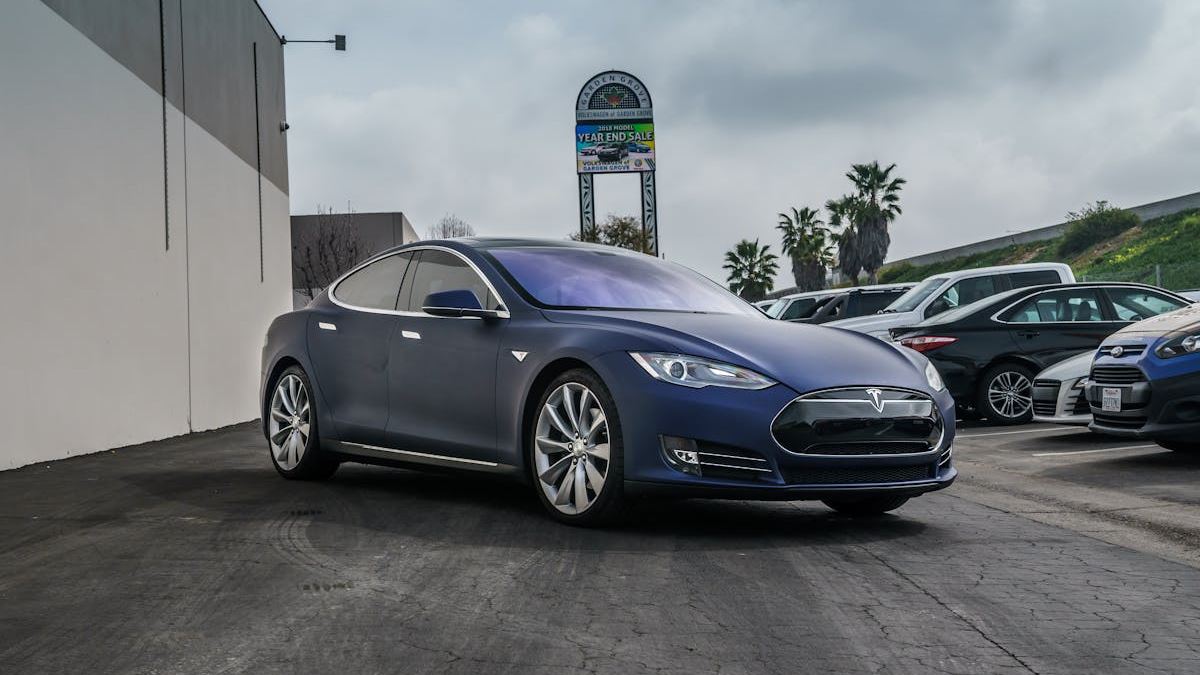
Battery Electric Vehicles are at the forefront of America’s shift toward sustainable mobility. As the push for eco-friendly transportation intensifies, BEVs are reshaping not just consumer habits but also the nation’s infrastructure and economic landscape. This article delves into how BEVs influence various sectors, presenting a holistic view of their role in America’s future.
Transforming Infrastructure
Charging Infrastructure Development
One of the critical factors enabling BEV adoption is the expansion of charging networks. Public charging stations are rapidly proliferating across cities, highways, and rural areas, reducing range anxiety. Fast chargers, capable of replenishing batteries in 30 minutes or less, are becoming more prevalent, supporting long-distance travel.
Smart Grid Integration
The integration of BEVs with energy grids introduces opportunities for load balancing and renewable energy utilization. Vehicle-to-Grid (V2G) technology allows BEVs to feed excess energy back into the grid, aiding in the stabilization of power supply and promoting cleaner energy sources.
Economic Impacts and Market Growth
Industrial Transition and Job Creation
The shift to BEVs necessitates a transformation in manufacturing, supply chains, and services. Automakers are investing billions into electric vehicle plants, creating thousands of jobs and stimulating local economies. The U.S. auto industry is experiencing a new era of innovation driven by electric mobility.
Market Dynamics and Consumer Behavior
As more affordable models enter the market, consumer demand for BEVs continues to grow. The competitive landscape features traditional car manufacturers and newcomers alike, fostering innovation and price reductions. Incentives and policies further accelerate market penetration, making BEVs more accessible to diverse demographics.
Environmental and Policy Considerations
Reducing Emissions and Combating Climate Change
BEVs contribute significantly to reducing greenhouse gases, especially when charged with renewable energy. Their widespread adoption aligns with federal and state policies aiming for carbon neutrality by mid-century.
Policy Initiatives Supporting BEV Adoption
Government regulations, tax credits, and grants are pivotal in driving BEV uptake. The Inflation Reduction Act and state-level programs provide substantial financial incentives, coupled with mandates for zero-emission vehicle sales in several regions.
The Future Outlook: Challenges and Opportunities
While the outlook is promising, challenges such as battery resource sourcing, recycling, and recycling infrastructure remain. Addressing these issues will require concerted efforts from industry stakeholders, policymakers, and researchers. The evolving regulatory landscape and technological breakthroughs will shape the trajectory of BEVs over the coming decades.