
Expert Strategies for Water Leak Repair: Protect Your Home from Hidden Threats
Discover expert strategies for water leak repair in this detailed guide. Learn about detection techniques, repair options, and prevention tips to safeguard your home from costly water damage with professional help and routine maintenance.
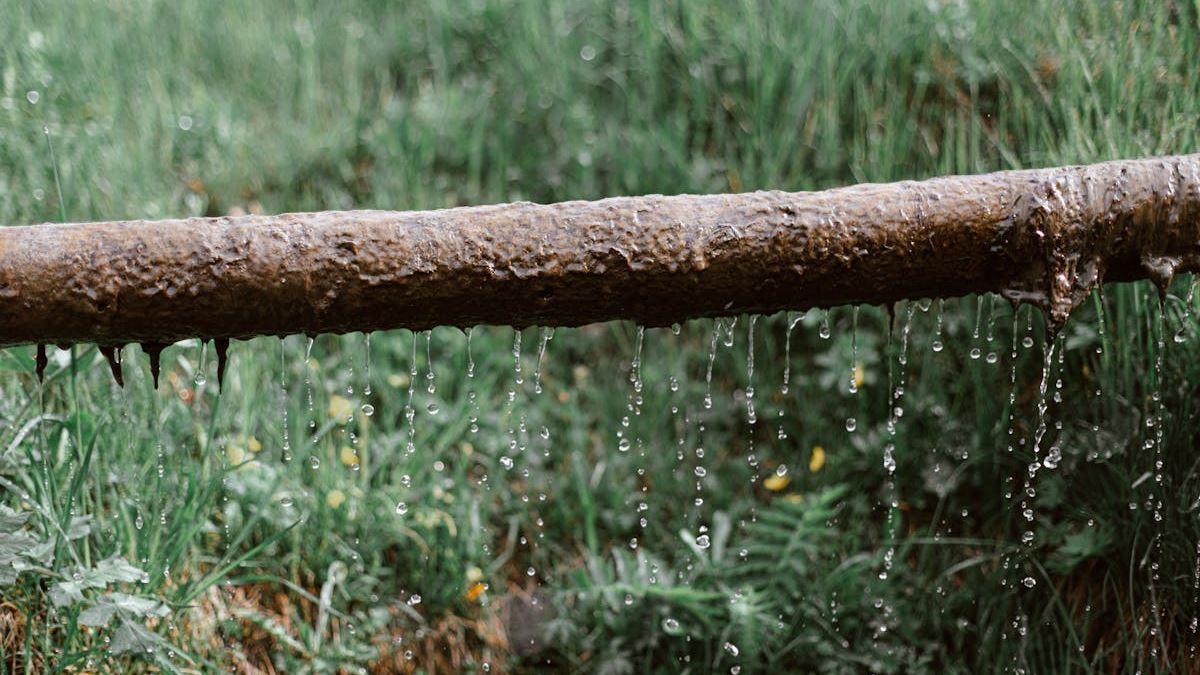
Introduction: The Hidden Cost of Water Leaks
Water leaks are often silent enemies lurking within your home. They can cause structural damage, promote mold growth, and lead to skyrocketing utility bills. Addressing water leak repair promptly is essential for safeguarding your investment. This article will explore expert-recommended strategies to detect, repair, and prevent leaks effectively, ensuring your home remains safe and dry.
The Science Behind Water Leaks
Understanding the science of water leaks involves examining how pressure, pipe materials, and environmental factors contribute to leak formation. High water pressure exerts stress on pipes, especially if they are old or improperly rated. Common pipe materials like galvanized steel, copper, or PVC have varying susceptibilities to corrosion, cracking, or degradation over time. External factors such as ground shifting, temperature fluctuations, and tree root intrusion can cause pipes to crack or fracture. Recognizing these factors underpins effective repair and prevention efforts.
Advanced Leak Detection Methods
Expert leak detection hinges on high-tech tools that can locate leak sources behind walls, under floors, or underground. Acoustic sensors detect sounds indicative of leaks, while correlators analyze pressure fluctuations in pipes. Thermal imaging cameras reveal temperature anomalies caused by leaks, especially in cold weather. Combining these technologies with professional experience allows for precise pinpointing of concealed leaks, reducing unnecessary demolition and saving costs.
Strategies for Effective Water Leak Repair
DIY vs. Professional Repair
While small, accessible leaks might be remedied by homeowners using temporary fixes like sealants or tape, comprehensive repairs demand professional skills. Licensed plumbers follow strict codes, ensuring repairs are durable and safe. They also have access to specialized equipment for difficult-to-reach leaks. For example, corroded pipe sections might require pipe replacement using trenchless technology, minimizing property disturbance. Never underestimate the complexity of serious leaks—consulting experts is always recommended.
Repair Techniques
Repair options include patching minor leaks with epoxy or patch kits, replacing damaged pipe segments, or installing new fittings. Trenchless pipe repair techniques, such as pipe relining, enable repairs without extensive excavation. For corrosion-heavy pipes, replacing existing lines with corrosion-resistant materials ensures longevity. In cases of recurrent leaks, a comprehensive assessment may lead to a remodel of your plumbing system. Using high-quality materials and following best practices guarantees a lasting solution and minimizes future leak risks.
Post-Repair Inspection and Testing
After completing a leak repair, conducting thorough inspections and pressure testing is essential. This step verifies the integrity of the repair and ensures no new leaks are present. Professional plumbers often employ leak detection devices and perform flow tests to confirm success. Routine post-repair checks and scheduled maintenance can help spot emerging issues early, preserving the health of your plumbing system.
Prevention Tips from Industry Experts
Prevention strategies are vital for long-term leak avoidance. Experts recommend installing smart leak detectors that alert homeowners immediately when a leak occurs. Maintaining water pressure within recommended ranges and insulating exposed pipes prevent freezing damage. Regularly inspecting fixtures, joints, and pipes for corrosion or wear can catch issues early. Proper drainage and grading around the property prevent soil shifting that may stress underground pipes. Following these proactive measures creates a resilient plumbing system that minimizes leak risks.
The Importance of Professional Maintenance
Routine professional maintenance is an investment in your home's safety. Certified plumbers can perform comprehensive inspections, clean drains, and replace aging components proactively. This preventative approach reduces the chance of sudden leaks and structural damage. Establishing a maintenance schedule based on your home's age and type of plumbing system ensures longevity and peace of mind. Remember, early detection and repair outperform costly emergency fixes.
Conclusion: Secure Your Home Against Water Leaks
Water leak repair involves understanding complex factors, employing advanced detection methods, and implementing durable repair solutions. By embracing expert strategies and preventive measures, homeowners can protect their property and maintain a safe, efficient plumbing system. When in doubt, consulting with qualified professionals guarantees that leaks are addressed comprehensively and permanently. Stay vigilant and proactive—your home will thank you for it.