
Enhancing Quality of Life: Innovative Approaches to Senior Health Care in America
Explore innovative and holistic approaches to senior health care in the United States, focusing on personalized treatment, technological advancements, and community engagement. Learn how comprehensive strategies improve quality of life and support aging with dignity and independence.
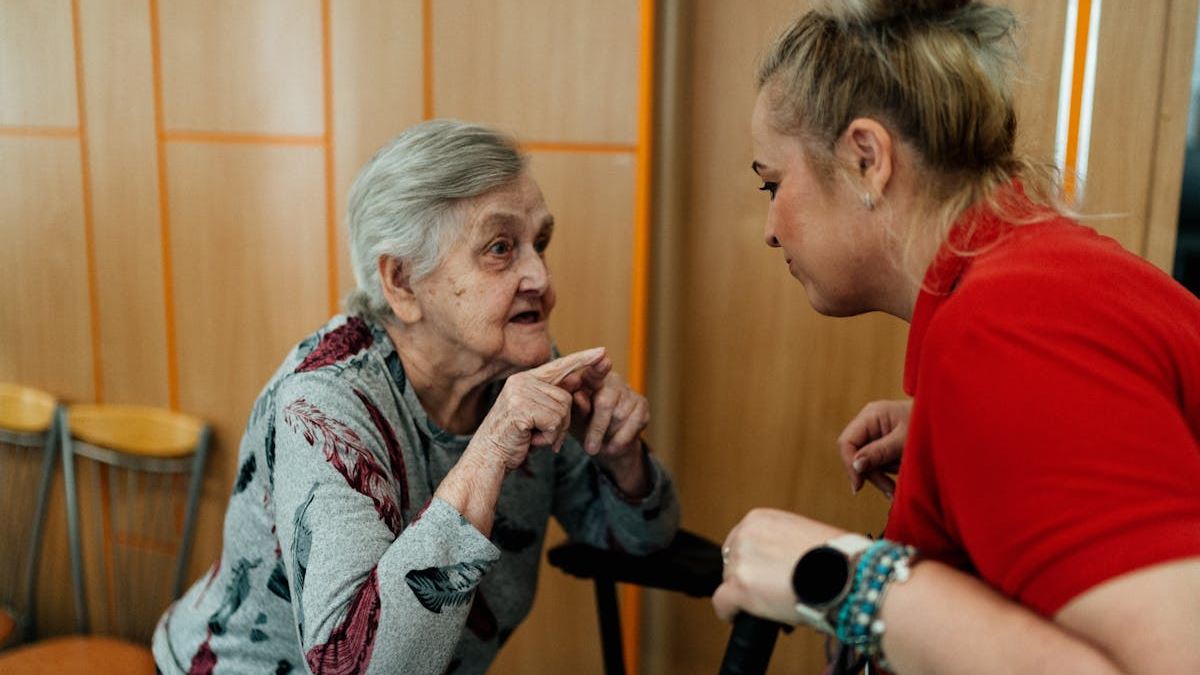
The Evolution of Senior Health Care in the United States
Senior health care in the US has evolved significantly over the past decades, moving from a purely disease-focused model to a more holistic, patient-centered approach. This transformation is driven by demographic shifts, technological innovations, and a deeper understanding of aging as a complex, multifaceted process. Today’s strategies aim to improve not only longevity but also the quality of life, independence, and social engagement of older adults.
Holistic Approaches and Personalized Care Plans
Addressing Diverse Needs
Each senior’s health journey is unique, influenced by genetics, lifestyle, environment, and social factors. Personalized care plans consider these variables, offering tailored interventions that optimize outcomes. Holistic care integrates physical health, mental well-being, nutritional support, spiritual considerations, and social connectivity, recognizing that well-being is a dynamic balance among these domains.
Role of Multidisciplinary Teams
Effective senior health care involves collaboration among healthcare providers, social workers, nutritionists, physical therapists, and mental health professionals. Multidisciplinary teams ensure comprehensive assessments and coordinated interventions, addressing each aspect of an older adult’s health with expertise and empathy. Such teams often work in outpatient clinics, long-term care facilities, or home-based settings.
Technology-Driven Innovations in Senior Care
Remote Monitoring and Telehealth
Remote monitoring devices track vital signs, activity levels, and medication adherence, providing real-time data that can alert clinicians to potential issues before they escalate. Telehealth services offer convenient access to healthcare providers, reducing hospital visits and enabling ongoing management of chronic conditions from the comfort of homes.
Assistive Devices and Smart Homes
The rise of assistive technologies such as mobility aids, voice-activated controls, and fall detection systems enhances safety and independence. Smart home devices allow seniors to control lighting, security, and appliances through simple interfaces, making daily routines easier and safer.
Community-Based and Social Interventions
Community programs promoting social interaction, lifelong learning, and physical activity are crucial in combating loneliness and depression among seniors. Libraries, senior centers, and faith-based organizations develop engaging activities that foster a sense of purpose and belonging, directly impacting mental and emotional health.
The Future of Senior Health Care: Challenges and Opportunities
As the demand for senior health services grows, policymakers and providers face challenges such as workforce shortages, funding limitations, and health disparities. Opportunities lie in embracing innovation, expanding digital health literacy among seniors, and creating inclusive policies that support aging in place and community integration.
Real Stories: Transformative Senior Care Programs
One example is the Village Movement, which empowers older adults to remain in their homes through community support and resource sharing. Such programs demonstrate that with proper infrastructure and social support, seniors can thrive independently longer.
Conclusion: Shaping a Compassionate and Advanced Senior Care System
Building a resilient and responsive senior health care system in America demands ongoing innovation, community involvement, and a commitment to dignity and respect. By investing in technology, fostering collaboration, and prioritizing the diverse needs of older adults, we can ensure that senior health care remains a cornerstone of our society, enabling seniors to enjoy their golden years with vitality and purpose.