
The Ultimate Guide to Adopting Small Dogs for Senior Citizens: Wellness, Safety, and Joy
Explore the benefits and practical tips of adopting small dogs for senior citizens in the U.S. From selecting the right breed to ensuring their health and happiness, this guide offers expert advice and inspiring success stories to help older adults find their perfect pet companion.
Introduction
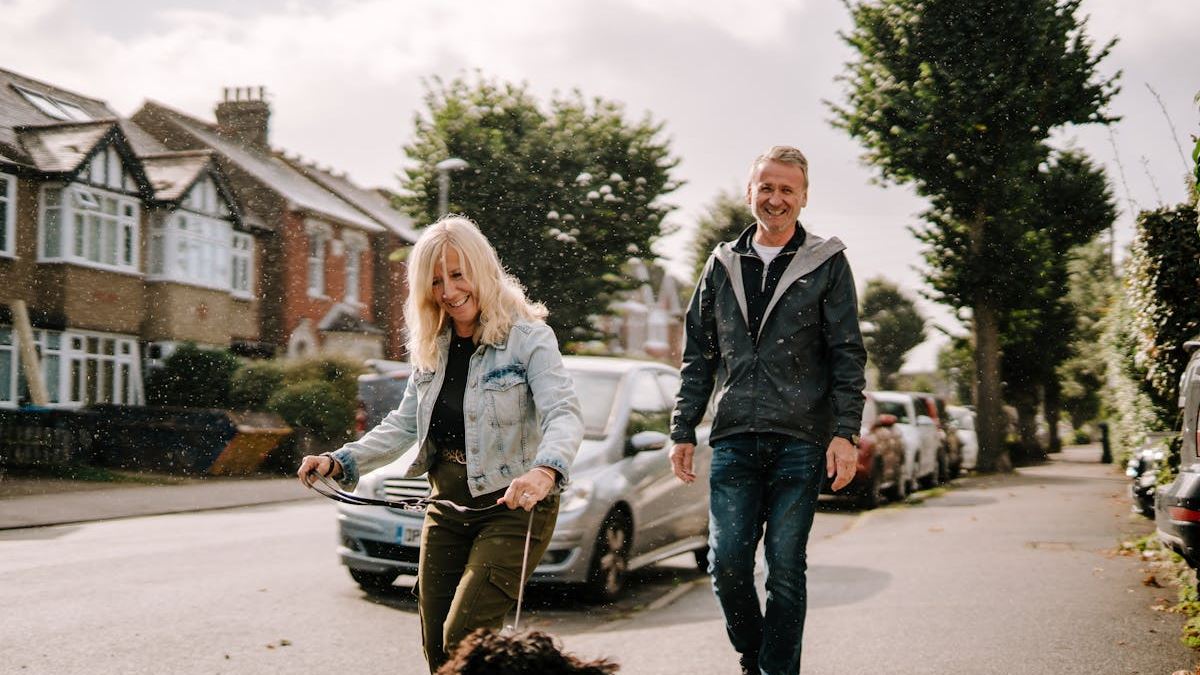
Adopting a small dog is a life-changing decision that can bring immense joy and companionship, especially for senior citizens in the United States. These pint-sized pets can significantly enhance quality of life, providing emotional warmth, routine, and even physical activity. This article delves into the reasons why small dogs are natural partners for seniors, essential considerations for adoption, and how to ensure a harmonious relationship that benefits both owner and pet.
Why Small Dogs Are Ideal for Senior Citizens
Size and Handling Ease
Small dogs are easier to carry, lift, and manage, making daily activities less strenuous for seniors. Breeds such as Dachshunds, Shih Tzus, and Yorkies are recommended because their size aligns with the physical capabilities often associated with older adults.
Temperament and Compatibility
Many small breeds are known for their friendly, affectionate, and loyal temperaments. Such traits foster strong bonds, provide emotional comfort, and are conducive to a peaceful household environment.
Considerations for Adopting Small Dogs for Seniors
Health and Age Factors
When choosing a small dog, consider its age and health conditions. Senior dogs may be more compatible with a less active lifestyle, while younger small dogs can bring playful energy and require more mental stimulation.
Living Space and Lifestyle
Assess your living environment—whether you have stairs, outdoor space, or confined indoor areas—and match the dog’s needs accordingly. Lifestyle factors, such as travel plans or activity levels, also influence the choice.
The Adoption Process and Preparation
Finding the Right Shelter or Rescue
Collaborate with reputable shelters and rescue organizations that specialize in small dogs and senior adoptions. Meet with the staff to understand each dog's history and temperament.
Pre-Adoption Planning
Prepare your home with necessary supplies: a comfortable bed, grooming tools, food, and safety-proofed spaces. Consult with a veterinarian or pet care professional about your readiness.
Maintaining Wellness and Safety
Routine Health Monitoring
Schedule regular veterinary visits to monitor age-related health issues like dental care, mobility problems, and obesity. Proper nutrition is critical to longevity and happiness.
Training and Behavior Management
Gentle training, socialization, and positive reinforcement help foster good behavior. Regular mental stimulation also keeps a small dog’s mind sharp, aiding cognitive vitality.
Real-Life Success Stories
Helen, 75, shares how adopting a tiny Maltese brought spontaneity and comfort to her retirement life. Another example is Edward, 80, who reports his small Yorkie helped him with mobility and emotional health after losing his spouse.
Expert Perspectives and Recommendations
Veterinarians recommend choosing breeds with low grooming needs and manageable health conditions. Animal behavior specialists suggest prioritizing socialization and daily routines to foster trust and stability in senior dog ownership.
Conclusion
For senior citizens, adopting small dogs can be a richly rewarding experience. With proper planning, health care, and love, these tiny dogs can become lifelong friends, adding purpose and vibrancy during retirement years.