
Addressing the Needs of Diverse Populations in Inpatient Mental Health Facilities
This article explores how inpatient mental health facilities in the United States are evolving to meet the diverse needs of patients. It emphasizes cultural competency, specialized programs for minority and LGBTQ+ populations, and strategies to overcome socioeconomic barriers. By fostering inclusive care, these facilities can improve treatment outcomes and promote equity in mental health support.
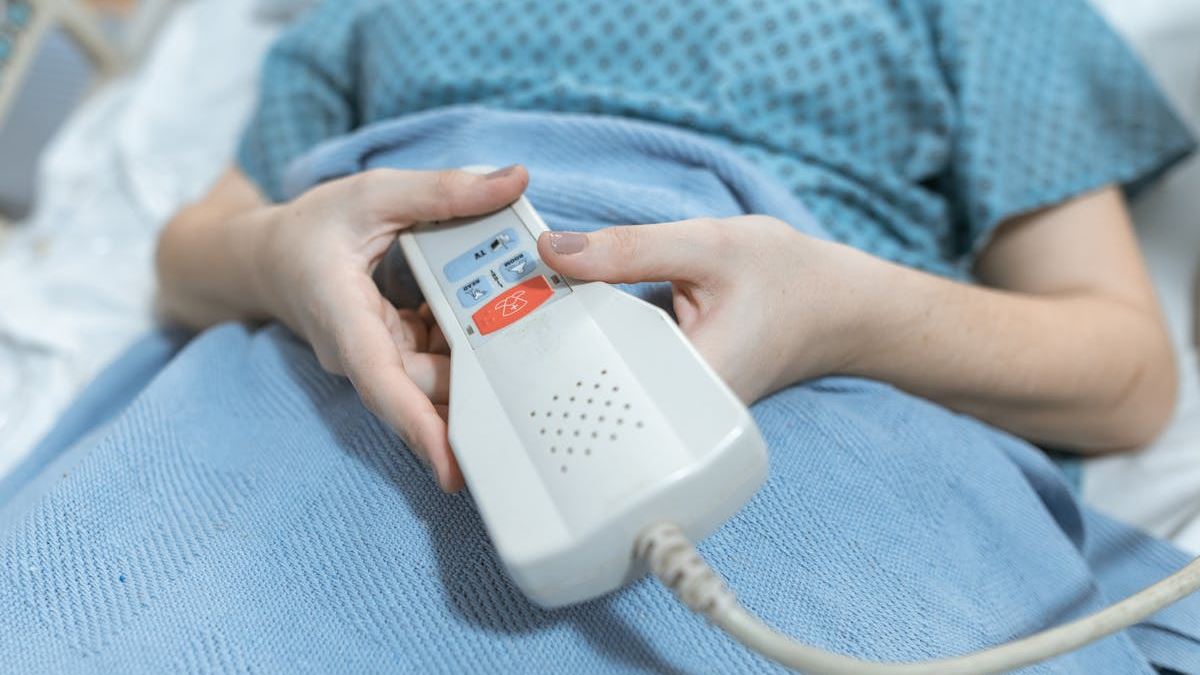
Inclusive Mental Health Care: Serving Diverse Populations
Inpatient mental health facilities in the United States are committed to providing equitable and culturally sensitive care to a diverse range of patients. Recognizing the unique needs of different populations, including racial and ethnic minorities, LGBTQ+ individuals, and those with varying socioeconomic backgrounds, is fundamental to delivering effective treatment and fostering recovery.
Cultural Competency in Inpatient Settings
Integrating cultural awareness into treatment protocols helps address barriers such as language differences, cultural stigmas, and mistrust of healthcare institutions. Staff training on cultural competence enhances patient engagement, adherence to treatment, and overall satisfaction.
Specialized Programs for Specific Populations
Services for Racial and Ethnic Minorities
Programs tailored for minority groups often include multilingual staff, culturally relevant therapies, and community liaison services. These initiatives aim to reduce disparities and improve mental health outcomes within these communities.
Support for LGBTQ+ Patients
Facilities that cater to LGBTQ+ individuals prioritize creating safe, non-judgmental environments. Incorporating gender-affirming care, stigma reduction strategies, and peer support enhances treatment effectiveness for this population.
Addressing Socioeconomic Barriers
Patients from lower-income backgrounds face challenges such as limited access to care, transportation issues, and insurance coverage gaps. Inpatient facilities working with community organizations can help bridge these gaps through sliding scale payments, financial counseling, and outreach programs.
Real-World Examples and Programs
For instance, a hospital serving predominantly minority populations implemented culturally tailored group therapies and found increased patient participation and retention. Meanwhile, initiatives offering telepsychiatry for underserved areas have expanded access to inpatient-like support remotely.
The Future of Inclusive Inpatient Mental Healthcare
Advances in technology, policy reform, and community engagement are shaping a more inclusive future. Combining culturally sensitive practices with innovative care models ensures that inpatient mental health facilities meet the needs of all patients, regardless of background.
Conclusion: Building Equitable Mental Health Support Systems
Acknowledging diversity within inpatient mental health facilities is crucial for providing high-quality, effective treatment. By fostering inclusivity and cultural competence, these facilities can better serve the nation's evolving population, promoting recovery and reducing disparities in mental health care.