
Bridging the Gaps: How Community Mental Health Services Are Transforming Lives in the United States
Discover how community mental health services are transforming lives across the United States. This article highlights their importance, diverse needs addressed, successful programs, and future innovations. Learn how these community-based care models foster resilience, reduce disparities, and promote mental well-being in various populations and settings, ensuring accessible and compassionate support for everyone.
The Importance of Community Mental Health Services in Modern America
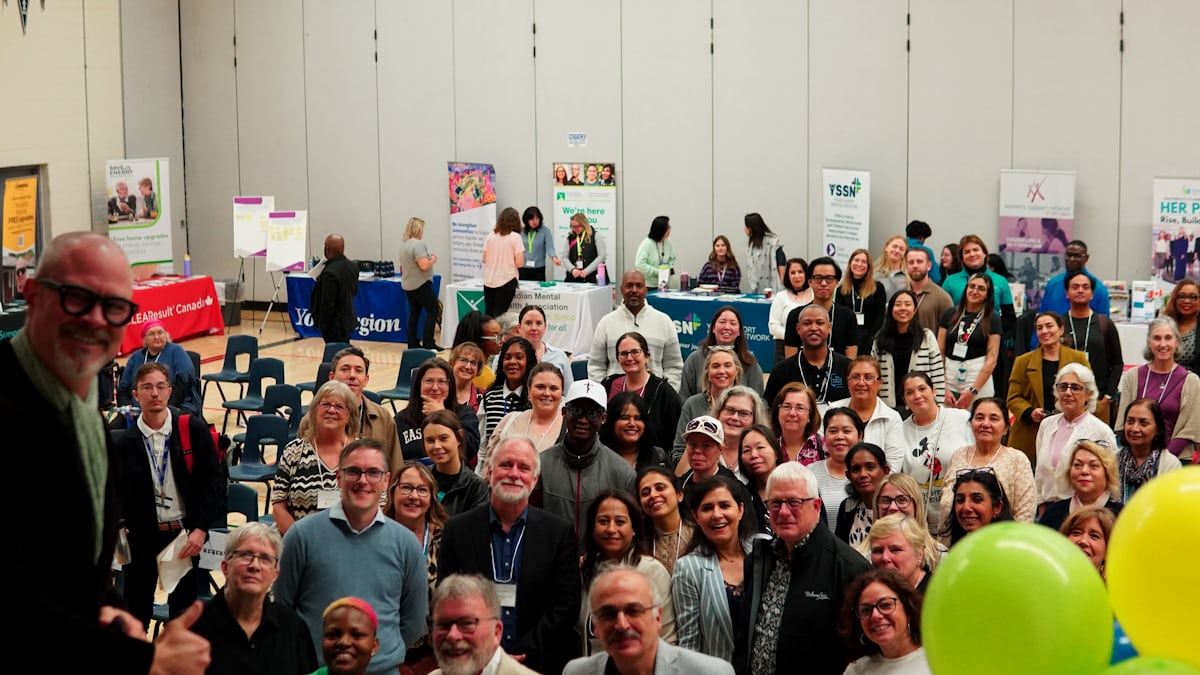
Providing accessible mental health care is a cornerstone of a thriving society. Community mental health services serve as accessible, flexible, and culturally competent resources that cater to diverse populations across the United States. They play a crucial role in early intervention, crisis prevention, and ongoing support, helping individuals navigate mental health challenges while fostering resilience and social integration.
Addressing Diverse Needs in Community Mental Health
Serving Vulnerable Populations
Members of vulnerable groups, such as homeless individuals, refugees, and those with co-occurring disorders, often face barriers to traditional healthcare. Community mental health services tailor programs to address unique cultural, linguistic, and social needs, ensuring equitable access to care.
Supporting Children and Adolescents
Younger populations benefit from school-based programs, pediatric mental health clinics, and family therapy services. Early detection and intervention can prevent lifelong disabilities and improve developmental outcomes.
Reaching Rural and Underserved Areas
Geographic barriers are a significant challenge. Mobile clinics, telepsychiatry, and community outreach initiatives are vital in bridging the service gap for rural residents, promoting mental wellness beyond urban centers.
Key Components of Effective Community Mental Health Services
Multidisciplinary Teams
Successful programs rely on collaboration among psychiatrists, psychologists, social workers, and peer supporters. This diversity of expertise ensures comprehensive care that addresses biological, psychological, and social factors.
Person-Centered Care
Empowering individuals to participate actively in their treatment plans enhances engagement and outcomes. Culturally sensitive approaches and shared decision-making are central to this philosophy.
Integration with Social Supports
Addressing social determinants like housing, employment, and education significantly impacts mental health outcomes. Community programs often include partnerships with local agencies to meet these needs.
Challenges and Opportunities in Community Mental Health
Funding instability, workforce shortages, and systemic disparities persist as barriers. However, advances in technology and policy reforms offer promising avenues for growth. Expanding telehealth services, increasing federal and state investments, and fostering community-led initiatives are pivotal steps forward.
Case Studies: Successful Community Mental Health Programs
One notable example is the San Francisco Community Behavioral Health Center, which offers integrated services, crisis response, and peer support, resulting in improved patient satisfaction and reduced hospitalizations.
In Texas, the Project Aware program enhances school-based mental health capacity, promoting early intervention and reducing stigma among youth.
The Future of Community Mental Health Services in the US
Innovative Technologies
Advancements like virtual reality therapy, AI-driven screening tools, and digital symptom monitoring are emerging to support early detection and personalized care.
Policy and Funding Priorities
Future initiatives focus on sustainable financing, workforce development, and integrating mental health into primary care settings to normalize access and remove barriers.
Community Engagement and Education
Enhancing mental health literacy, reducing stigma, and fostering peer-led programs are essential to creating supportive environments that encourage help-seeking behaviors.
Conclusion: Building Resilient Communities through Effective Support Systems
Community mental health services are vital in creating equitable access to care, reducing disparities, and strengthening societal resilience. By embracing innovation, fostering collaboration, and advocating for sustained policies and funding, the United States can fundamentally improve mental health outcomes for all its citizens.