
Innovative Approaches to Mental Wellness Programs in the United States: Bridging Gaps for All Populations
Explore innovative mental wellness programs in the U.S. that leverage technology, cultural sensitivity, and inclusivity. Learn how these approaches help bridge gaps in mental health care, making support accessible for all populations and fostering nationwide resilience.
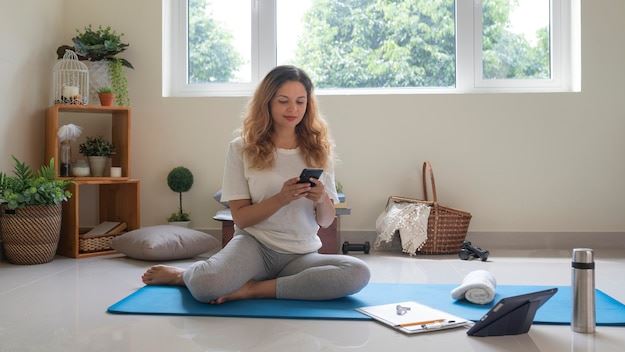
Introduction to Modern Mental Wellness Programs
Modern mental wellness programs are evolving rapidly, integrating innovative techniques to meet diverse needs across the United States. These approaches recognize that mental health is not one-size-fits-all and emphasize personalized, inclusive, and culturally sensitive strategies. From digital platforms to integrative therapies, the landscape of mental wellness programs is expanding, providing new opportunities for engagement and support for many Americans.
Digital Innovations in Mental Wellness
Telehealth and Mobile Apps
Telehealth has revolutionized access to mental health care by allowing individuals to connect with licensed professionals remotely. Popular mental wellness apps offer guided meditation, cognitive behavioral therapy (CBT) techniques, journaling features, and crisis support. For instance, apps like Calm and Headspace are widely used to reduce stress and anxiety, making mental wellness support accessible anytime, anywhere. These digital solutions are especially valuable for rural populations, busy professionals, and young adults seeking flexible support options.
Virtual Reality and AI-Powered Support
Emerging technologies like virtual reality (VR) are being used to simulate calming environments or exposure therapy settings, helping individuals confront fears in a controlled manner. Additionally, AI chatbots offer 24/7 conversational support, triaging mental health concerns and directing users to appropriate resources. Such innovations make mental wellness programs more engaging and scalable, breaking down geographical and temporal barriers.
Culturally Sensitive and Inclusive Programs
Recognizing the diverse fabric of American society, mental wellness programs are increasingly designed to respect cultural differences and language needs. Culturally tailored programs address specific community challenges, incorporate traditional healing practices, and involve community leaders to foster trust. For example, Native American tribes might incorporate spiritual ceremonies and storytelling in their mental health initiatives, fostering cultural resilience and healing.
Addressing Disparities and Ensuring Accessibility
Despite advancements, disparities persist in mental health care access. Low-income populations, racial minorities, and LGBTQ+ individuals often face barriers such as stigma, lack of insurance, and limited provider availability. Strategies to bridge these gaps include expanding Medicaid coverage, deploying mobile clinics, and training diverse mental health professionals. Ensuring accessibility remains a cornerstone of effective mental wellness programs, aiming for equity in mental health outcomes.
Expert Insights on the Future of Mental Wellness Programs
Dr. Anthony Ruiz, a psychiatrist specializing in community mental health, emphasizes, "The future of mental wellness programs lies in personalization and integration. Combining technological tools with human support can create comprehensive care models that adapt to individual needs while reducing stigma." As policymakers and providers collaborate, innovative funding models and public-private partnerships will be essential to sustain and scale these efforts.
Conclusion: Moving Toward a Holistic and Inclusive Mental Health Model
In conclusion, the evolution of mental wellness programs in the United States reflects a commitment to inclusivity, technological advancement, and cultural sensitivity. By embracing diverse approaches and addressing existing disparities, society can foster resilient communities where every individual has access to the support they need for optimal mental health. This holistic model paves the way for a more compassionate, healthy future for all Americans.