
Top Tips for Effective Security Camera Installation in the United States
Explore expert tips for security camera installation in the United States. Learn how to assess security needs, plan wiring and connectivity, select suitable equipment, and ensure legal compliance. Discover why professional installation guarantees a reliable, effective surveillance system that provides peace of mind and long-term security. Ideal for homeowners and businesses seeking comprehensive security solutions.
Assessing Your Security Needs Before Installation
Effective security camera installation begins with a thorough assessment of your property’s unique security needs. Start by identifying vulnerable areas such as entrances, exits, and secluded spots. Consider the purpose of your surveillance system—deterring crime, monitoring employees, or safeguarding assets. A detailed assessment helps determine the number of cameras required, their ideal locations, and the necessary features like night vision, motion alerts, or zoom capabilities. Consulting with security experts provides tailored recommendations that maximize coverage and cost-effectiveness.
Pre-Installation Planning: Wiring, Power, and Connectivity
Preliminary planning is crucial for a seamless security camera installation experience. Wired systems require outlet proximity and routing of cables through walls or ceilings, which can be invasive but offer reliable video quality. Wireless systems offer flexibility but depend on a stable Wi-Fi connection. An expert installer evaluates your property’s wiring infrastructure, electrical sources, and network strength. They plan cable routes or wireless access points to ensure uninterrupted footage transmission. Proper planning minimizes disruptions and future maintenance issues, delivering a robust security solution tailored to your property’s layout.
Choosing the Right Equipment and Features for Your Environment
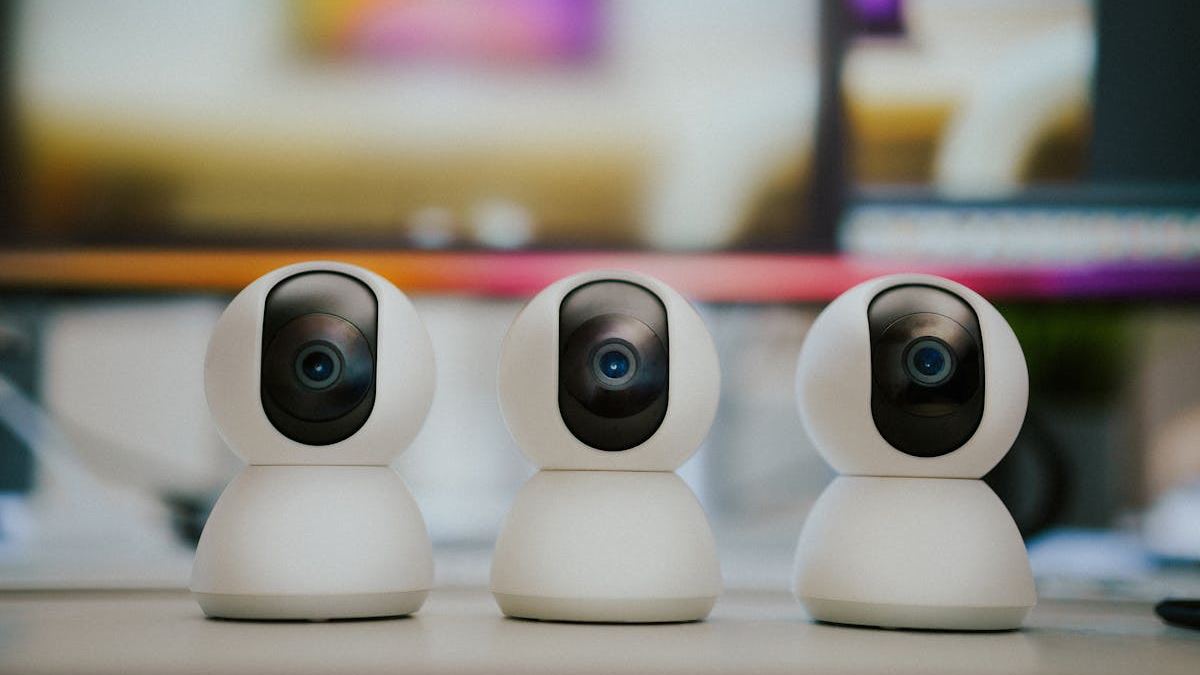
Your security environment dictates the type of equipment needed. For outdoor use, weatherproof cameras with infrared (IR) night vision are essential. Indoor cameras might focus on facial recognition and enhanced resolution. Modern systems offer smart features like motion zones, AI-based analytics, and remote monitoring via mobile apps. Professional security camera installation involves selecting devices compatible with your security goals, budget, and existing infrastructure. This ensures optimal performance, longevity, and flexibility for future upgrades.
Ensuring Legal Compliance During Installation
Installers must adhere to legal regulations to prevent privacy violations. Cameras should be positioned to monitor public spaces and property boundaries without infringing on neighbors' privacy. Signs indicating surveillance help comply with transparency requirements. Professionals are knowledgeable about local, state, and federal laws governing surveillance practices in the U.S. They incorporate these guidelines into your security camera installation plan, reducing the risk of legal complications and enhancing community trust.
Post-Installation Testing and Maintenance
After installation, comprehensive testing ensures all cameras function correctly, with clear footage and stable connectivity. It’s essential to verify recordings for optimal resolution, check camera angles, and configure remote access settings securely. Regular maintenance, such as cleaning lenses, updating software, and inspecting wiring, prolongs system lifespan and performance. Many providers offer service plans for ongoing support, ensuring your security system remains effective, reliable, and up-to-date with the latest features.
Maximizing Security Camera Effectiveness with Expert Support
Partnering with professional security camera installation services offers peace of mind, knowing your surveillance system is optimally configured. Experts bring technical expertise, ensuring seamless integration with existing security measures and smart home devices. They also provide critical cybersecurity advice to safeguard footage from hacking. As technology evolves, professional installers can assist with upgrades, expansions, and troubleshooting, maintaining system effectiveness over time. Choosing experienced providers guarantees that your property remains protected and compliant with all regulations.
Final Thoughts: Investing in Security for the Future
Effective security camera installation is a strategic decision that offers long-term benefits. Whether for residential or commercial properties, professional installation ensures optimal coverage, legal compliance, and system durability. As crime prevention becomes increasingly essential, relying on trained experts helps you leverage the latest advances in security technology. By prioritizing quality installation and ongoing maintenance, homeowners and business owners can confidently secure their premises, deter threats, and obtain valuable evidence when needed.