
Modern Home Style Design Trends in the United States: Creating a Stylish and Comfortable Living Space
Explore the latest trends in modern home style design in the United States. From minimalist aesthetics and innovative technology to sustainable practices, this guide provides insights into creating stylish and functional living spaces. Learn how to balance open layouts with privacy and incorporate eco-friendly elements for a forward-thinking home environment.
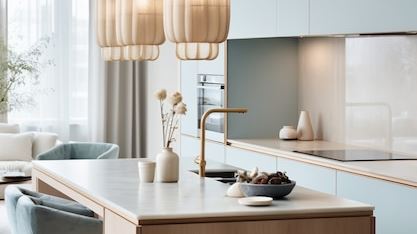
Embracing Minimalism and Functionality
Modern home style design in the United States is characterized by clean lines, open floor plans, and a focus on functionality. Minimalism isn’t just a fad; it's a philosophy that emphasizes decluttering and intentional space planning. Homeowners are increasingly opting for multi-purpose furniture, hidden storage, and sleek surfaces that maximize both space and utility. This approach not only enhances aesthetics but also fosters a sense of calm and organization, essential in today's fast-paced world.
Color Palettes and Material Choices in Modern Design
Modern design favors neutral color palettes, including shades of white, gray, and black, with occasional pops of color through accessories or artwork. Materials such as polished concrete, glass, steel, and light-colored woods are popular due to their sleek appearance and durability. These choices reflect a desire for simplicity and ease of maintenance while providing a sophisticated backdrop for personalized decor. Incorporating texture contrasts—like a plush rug with smooth surfaces—adds depth to the otherwise minimal aesthetic.
Integrating Technology into Modern Homes
Smart home technology seamlessly blends into modern home style design, enhancing convenience and efficiency. Automated lighting, thermostats, security systems, and voice-controlled devices are integrated unobtrusively, elevating the homeowner's experience. The focus remains on design harmony; technology should complement, not clutter, the space. This integration makes modern homes not only stylish but also highly functional and energy-efficient.
Furniture and Decor in Modern Home Style
Furniture in modern design is characterized by geometric shapes, smooth surfaces, and minimal ornamentation. Iconic pieces from brands like Eames or Knoll exemplify this trend. Decor should be understated but meaningful—think abstract art, monochrome vases, and geometric lighting fixtures. The aim is to create a cohesive environment where each piece contributes to the overall aesthetic without overwhelming the senses.
Balancing Open Spaces with Privacy
While open floor plans are a hallmark of modern home style design, maintaining privacy and comfort is still essential. Innovative solutions like room dividers, sliding doors, or strategic furniture placement can define different zones without disrupting flow. This balance is crucial in American homes, where multifunctional spaces often serve as living, working, and entertaining areas.
Sustainable and Eco-Friendly Design Elements
Modern homes increasingly incorporate sustainable practices, such as energy-efficient windows, solar panels, and eco-friendly materials. Green building practices not only reduce environmental impact but also lower utility costs. Homeowners are motivated by both ecological responsibility and long-term savings, making eco-conscious design a key trend in the modern home style movement.
Case Studies: Modern Home Transformations
Real-world examples include a renovated Los Angeles condo with floor-to-ceiling windows, a sleek monochrome palette, and integrated smart technology, showcasing how modern design adapts to urban living. Another case involves a renovated farmhouse in the Midwest with minimalist interiors that prioritize natural light and sustainability. These case studies offer insights into balancing aesthetics, function, and eco-friendly principles in modern home design.
Conclusion: The Future of Home Style Design in America
Modern home style design continues to evolve with technological innovations, sustainable practices, and shifting lifestyles. Its emphasis on simplicity, efficiency, and personal expression enables homeowners to create spaces that are both stylish and functional. By adopting these trends and integrating smart technology and eco-friendly elements, you can craft a contemporary home that stands the test of time and adapts to future needs.