
Blending Tradition with Innovation: The Revival of Classic Home Design Architecture in America
Discover how traditional and classic home design architecture are making a comeback in America by blending timeless craftsmanship with modern innovations. Learn about regional styles, preservation efforts, and future trends that honor history while meeting contemporary needs.
Introduction: Honoring the Past in Modern Home Design Architecture
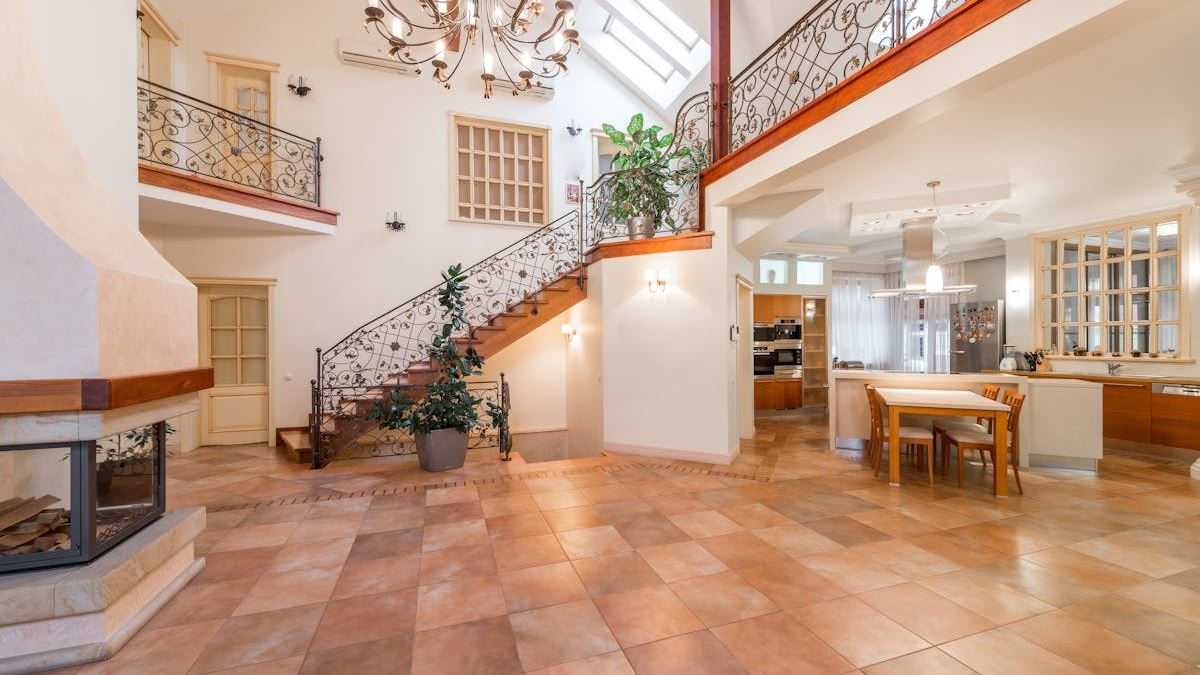
American home design architecture is deeply rooted in history, reflecting diverse cultural influences and regional characteristics. Recently, there has been a resurgence of interest in blending traditional architectural elements with modern innovations. This approach preserves the charm and character of historic styles while integrating contemporary comforts and technologies, creating homes that are both timeless and functional.
Core Principles of Classic and Traditional Home Design Architecture
Authentic Materials and Craftsmanship
Traditional homes often utilize high-quality materials like brick, stone, and wood, showcasing craftsmanship that has stood the test of time. Modern reinterpretations focus on sourcing authentic materials that preserve the aesthetic while ensuring durability and sustainability. Detailed woodwork, intricate moldings, and classical facades define the essence of classic home design architecture.
Symmetry and Proportionality
Symmetry remains a hallmark of traditional architecture, creating a balanced and harmonious appearance. This principle extends to window placements, doorways, and interior layouts, fostering a sense of order and craftsmanship. However, contemporary designs are now experimenting with asymmetry to introduce visual interest while retaining core traditional elements.
Functional Spaces with Modern Comforts
While respecting historical aesthetics, modern adaptations incorporate open-plan kitchens, luxury bathrooms, and smart home features. These enhancements ensure that homes remain comfortable and adaptable to current lifestyles without compromising their classic charm.
Regional Influences and Adaptations in Classic Home Design Architecture
Different regions of the U.S. have distinct traditional architectural styles, from Colonial Revival in the Northeast to Spanish Colonial in the Southwest. Successful designs integrate regional climate considerations, such as sun orientation and airflow, while maintaining stylistic integrity. This regional adaptation supports both aesthetic appeal and thermal comfort.
Revitalization Projects and Preservation Efforts
Many homeowners and developers are investing in restoration and preservation of historic homes, blending old-world craftsmanship with new materials and technologies. These projects often involve working with preservation societies and experts in architectural history to ensure authenticity yet infuse contemporary functionalities, thus extending the lifespan and relevance of traditional styles.
Expert Opinions and Trends for the Future
Architects advocate for a balanced approach—preserving authenticity while embracing innovation. Future trends point toward adaptive reuse, where old structures are transformed into modern homes, and modular constructions that mimic traditional aesthetics but are easier to build and customize. This cultural preservation aligned with modern needs reflects a broader appreciation for home design architecture rooted in history.