
The Ultimate Expert Guide to Mold Removal: Protecting Your Home and Health in the United States
Discover a comprehensive, expert-driven approach to mold removal tailored for homeowners across the United States. This guide covers identification, proven removal techniques, prevention tips, and how to work with professional services, ensuring your home remains healthy and mold-free. Gain insights into safeguarding your family's health, protecting property values, and navigating legal considerations in mold remediation.
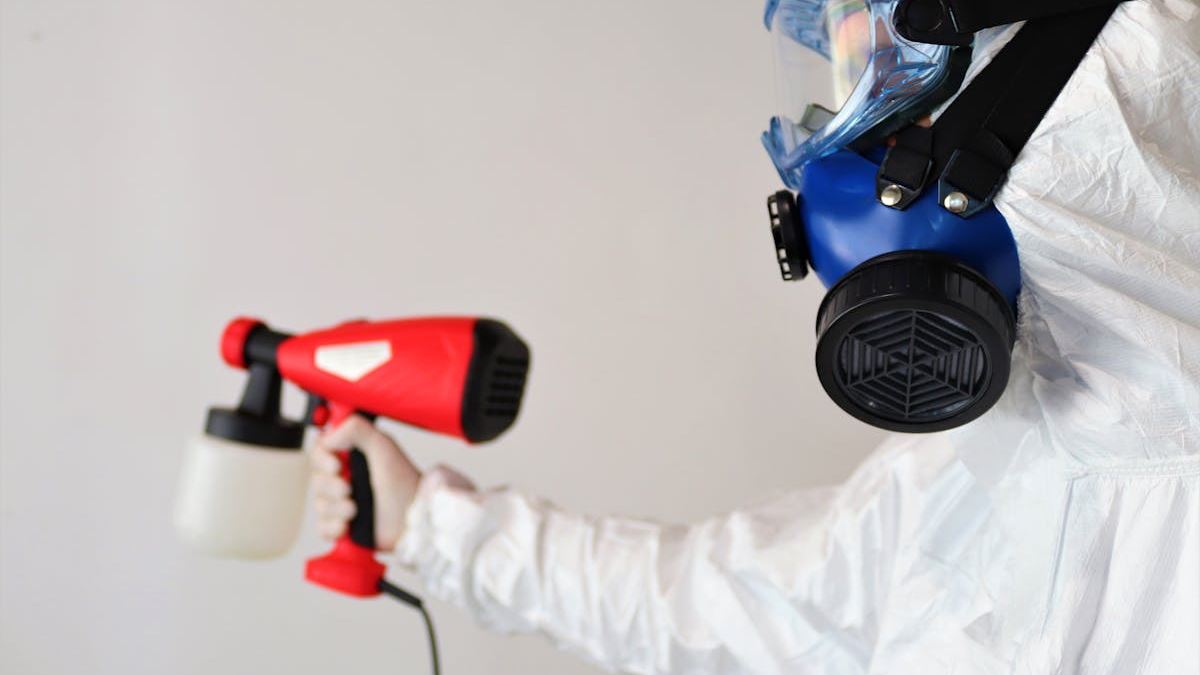
Why Mold Removal Is Essential for Your Home
Mold is more than a surface nuisance; it poses serious health risks and structural threats to your property. In climates across the United States, mold thrives in humid, poorly ventilated spaces. Its spores can cause allergic reactions, asthma exacerbations, and even infections in vulnerable populations. Mold also damages building materials, leading to costly repairs. Recognizing the urgency of mold removal and understanding the health and structural implications are vital. This guide emphasizes that proactive mold remediation ensures a safe living environment and maintains your property's value.
Identifying Mold: Visual Cues and Hidden Dangers
Effective mold removal begins with accurate identification. Visible mold appears as black, green, or white patches on surfaces like walls, ceilings, or floors. Musty odors are often an indicator of hidden mold behind walls or within HVAC systems. Use moisture meters to detect dampness that promotes mold growth. Common spots include bathrooms, basements, attics, and areas affected by leaks. In some cases, laboratory testing may be necessary for species identification or to assess risks. Early detection minimizes extensive remediation costs and health hazards, reinforcing the importance of vigilance and regular home inspections.
Choosing the Right Mold Removal Methods
Based on the extent of infestation, homeowners can select appropriate removal techniques. Minor mold on non-porous surfaces (like glass or metal) can often be cleaned with commercial EPA-approved fungicides and thorough scrubbing. For larger or more invasive mold problems, professional remediation is recommended. Techniques include containment, air filtration (HEPA filters), and biocide treatments. Porous materials such as drywall or insulation often require removal and replacement. It’s crucial to avoid DIY approaches for extensive mold, as spores can become airborne and spread, posing health risks. Expert mold removal ensures thorough cleaning and safe disposal, restoring home safety and hygiene.
Preventing Future Mold Growth: Strategies for Lasting Protection
Ongoing humidity control and moisture management are key to preventing mold recurrence. Invest in dehumidifiers and ensure your home's ventilation system is functioning correctly. Routine maintenance, like fixing leaks immediately and cleaning bathrooms and kitchens regularly, is essential. Consider installing mold-resistant products during renovations, particularly in high-moisture zones. Ensure that gutters and downspouts direct water away from your foundation, preventing basement seepage. Educating household members about moisture management and mold risks fosters a proactive approach. Sustainable maintenance practices significantly reduce long-term mold issues and promote healthier living conditions.
Partnering with Professional Mold Removal Experts
While small mold problems can be managed DIY, extensive or persistent infestations require professional intervention. Licensed mold removal professionals use specialized equipment such as negative air machines, HEPA vacuuming, and controlled chemical treatments to remove mold safely. They also assess moisture levels, identify underlying causes, and recommend long-term solutions. Certified remediation services ensure compliance with environmental standards, reducing cross-contamination and health risks. When hiring professionals, verify credentials, reviews, and guarantees. Their expertise not only removes mold effectively but also restores your peace of mind and protects your property investment.
Legal Considerations and Insurance Coverage
Understanding your legal rights and insurance options is crucial. Many homeowner policies cover mold remediation if caused by accidental water damage. However, coverage varies, and some policies exclude mold altogether. Documentation—photos, inspection reports, remediation receipts—is vital for insurance claims. If mold results from neglect, like unresolved leaks, homeowners could be liable. Consulting legal specialists in property law or insurance claims can streamline the process. Proper knowledge about coverage and legal obligations helps homeowners avoid unexpected expenses, ensuring that the mold removal process is financially manageable and legally compliant.