
Transforming Homes with Solar Installation: A Practical Guide for U.S. Residents
Explore how solar installation can revolutionize your home energy system with this detailed guide. From site evaluation and design to financial incentives and future tech advancements, learn how to efficiently and affordably implement solar power for residential use across the United States.
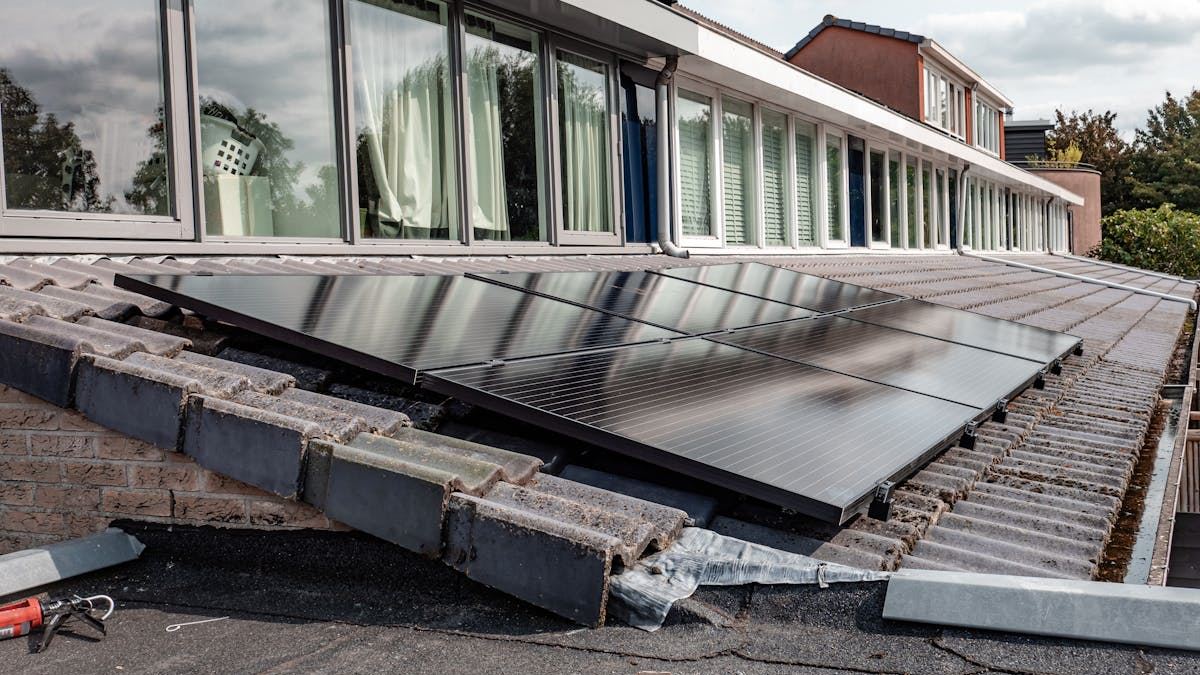
Introduction: Why Solar Installation Is a Game-Changer
In recent years, solar installation has transitioned from a niche technological advancement to a mainstream solution for homeowners across the United States. With increased affordability, improved efficiency, and favorable policies, solar power offers a compelling pathway toward energy independence and financial savings.
Assessing Your Home’s Solar Potential
Site Evaluation and Sunlight Exposure
Analyzing roof orientation, tilt, shading obstacles, and local climate conditions helps determine optimal placement. Real-world data indicates that south-facing roofs yield the highest energy output, but lateral tilts can also be effective.
Structural Integrity and Compatibility
Structural assessments ensure your roof can support the weight of solar panels. Experts recommend reinforcement if necessary, especially in areas prone to heavy snow or wind.
The Design and Implementation of Residential Solar Systems
Customized System Design
Designers consider household energy consumption, aesthetic preferences, and local regulations to craft an efficient, unobtrusive system. Advances in micro-inverters and customizable panels increase flexibility.
Production and Installation Timeline
Typically, a residential solar installation takes 4-8 weeks from contract to completion. Factors such as permit acquisition and weather conditions influence scheduling.
Financial Aspects and Incentives
Cost Breakdown
The average cost of residential solar installation ranges from $15,000 to $30,000 before incentives. Understanding components like panels, inverters, wiring, and labor helps set realistic budgets.
Tax Credits and Incentives
The federal Investment Tax Credit (ITC) offers a 30% deduction, significantly reducing upfront costs. State and local incentives further enhance affordability, with some regions offering cash rebates or property tax exemptions.
Permitting, Inspection, and Compliance
Legal and Regulatory Framework
Local permitting processes vary, but professional installers handle documentation seamlessly. Staying compliant with electric codes and fire safety standards ensures a smooth approval process.
Maintaining Your Solar Investment
Routine Maintenance and Performance Monitoring
Regular cleaning, inspection, and system monitoring ensure peak performance. Many modern systems include remote monitoring apps that provide real-time data on power generation.
Longevity and Warranty Considerations
Most panels come with 25-year warranties, but proper maintenance can maximize lifespan. Repair or replacement parts are typically straightforward and affordable.
Future Innovations in Residential Solar
Emerging technologies such as integrated solar roofing shingles, battery storage, and smart grid compatibility promise to further expand the practicality and affordability of solar installation for homeowners across the United States.