
Advances in Lymphoma Treatment: How New Therapies Are Changing Patient Outcomes
Discover how recent advances in lymphoma therapy, including targeted treatments and immunotherapy, are transforming patient outcomes. This comprehensive review highlights current standard care, emerging therapies, and future directions for personalized treatment strategies, empowering patients and healthcare providers alike.
The Evolution of Lymphoma Treatment
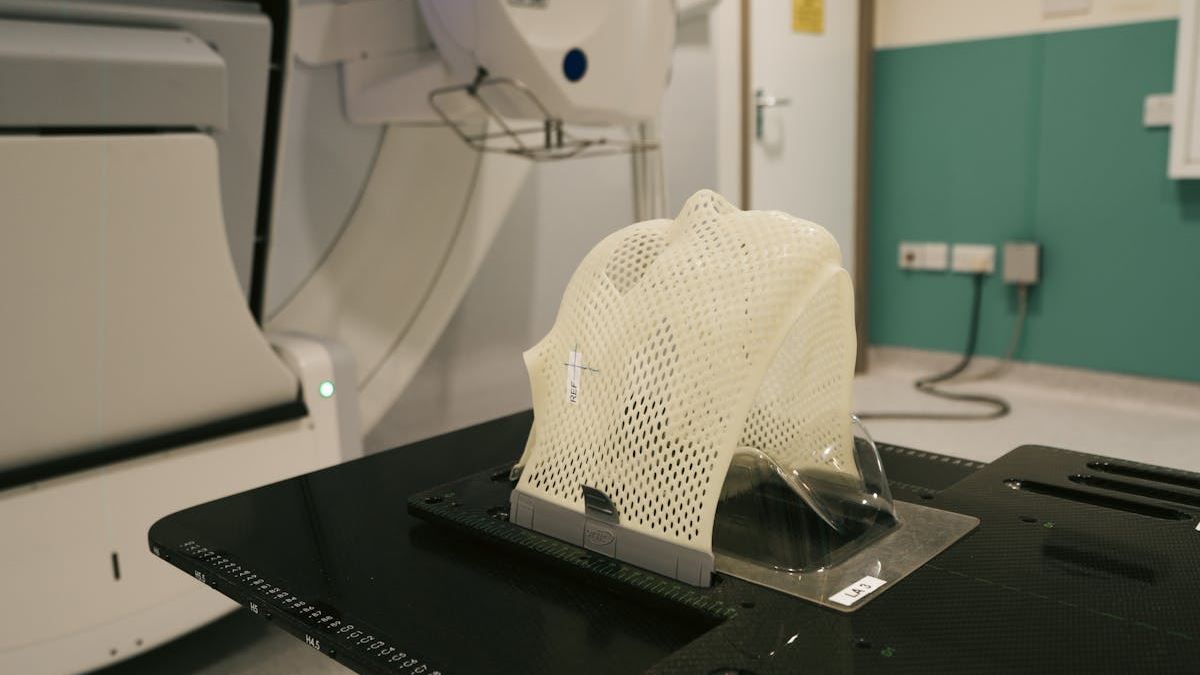
Over the past few decades, the treatment landscape for lymphoma has dramatically shifted. From traditional chemotherapy and radiation to targeted therapies and immunotherapies, innovations have enhanced survival rates and quality of life for many patients. Experts in oncology highlight that these advances are opening new possibilities, particularly for resistant or relapsed cases, which once had limited options.
Current Standard of Care in Lymphoma Therapy
Standard treatment approaches vary based on lymphoma subtype and stage. For Hodgkin lymphoma, ABVD chemotherapy combined with radiation therapy remains a cornerstone, while non-Hodgkin lymphoma treatment may encompass R-CHOP regimen or more aggressive protocols. The integration of PET scans in staging and monitoring response has improved precision in treatment planning. Additionally, supportive care measures—such as growth factors and infection prophylaxis—are vital components of comprehensive management.
Emerging Therapies and Clinical Trials
Recent breakthroughs include the development of targeted agents like Brentuximab vedotin and Ibrutinib, which specifically attack cancer cells with fewer side effects. Immunotherapy, especially checkpoint inhibitors like Pembrolizumab, is now being utilized for certain lymphoma subtypes. Most promising are novel treatments like CAR T-cell therapy, where patients' immune cells are reengineered to target lymphoma. Evidence from clinical trials indicates this therapy can induce remission in refractory cases, offering renewed hope.
Personalized Medicine: Tailoring Treatments for Better Outcomes
The future of lymphoma treatment lies in precision medicine—using genetic and molecular profiling to design individualized therapies. Researchers emphasize that understanding each patient's unique disease biology enables more effective, less toxic treatment strategies. This approach is particularly beneficial for complex or rare lymphoma subtypes, underscoring the importance of ongoing research and specialized cancer centers.
Supportive Care and Managing Side Effects
Advances have also improved the management of treatment-related side effects, enhancing patient comfort. Approaches include anti-nausea medications, infection prevention, and psychosocial support. Telemedicine and outpatient therapies reduce hospital stays and allow patients to maintain daily activities, improving overall well-being.
The Role of Patients and Caregivers in Treatment Decisions
Active participation in treatment decisions is crucial. Healthcare providers advocate for detailed discussions about potential benefits and risks of emerging therapies. Education about clinical trials enables patients to access cutting-edge treatments, and support networks help families cope with the challenges of diagnosis and therapy. Empowering patients leads to better adherence and often improved outcomes.
Looking Ahead: Future Innovations in Lymphoma Care
Research continues globally to identify novel agents and combination therapies that can eradicate lymphoma more efficiently. Bioinformatics and AI are increasingly used to analyze patient data, enabling real-time personalized treatment adjustments. As the understanding of lymphoma's molecular underpinnings deepens, the development of less invasive, more effective treatments remains a priority, promising a future where cure rates continue to rise.