
Maximizing the Benefits of Electric Cars: Practical Tips and Insights for American Consumers
This article offers practical tips and expert insights for American consumers looking to maximize their electric car ownership experience. Covering vehicle selection, operational savings, environmental benefits, and overcoming common challenges, it provides a comprehensive guide to embracing electric cars as a sustainable and cost-effective transportation solution.
Introduction: Why American Drivers Are Embracing Electric Cars
As the United States accelerates toward a sustainable transportation future, electric cars stand out as a pivotal solution. With declining costs, increasing range, and expanding charging infrastructure, more Americans are considering electric vehicles for their daily commute and leisure. This article offers practical insights and expert advice to help consumers maximize their electric car ownership experience and make informed decisions.
Choosing the Right Electric Car for Your Needs
Assessing Your Driving Habits and Range Needs
The first step in selecting an electric car is evaluating your daily driving patterns. Commuters with short distances may prefer smaller models with limited range, while long-distance travelers need vehicles with faster charging capabilities and extended battery life. Understanding your typical mileage and charging habits is crucial in choosing the most suitable electric vehicle.
Evaluating Charging Options and Infrastructure
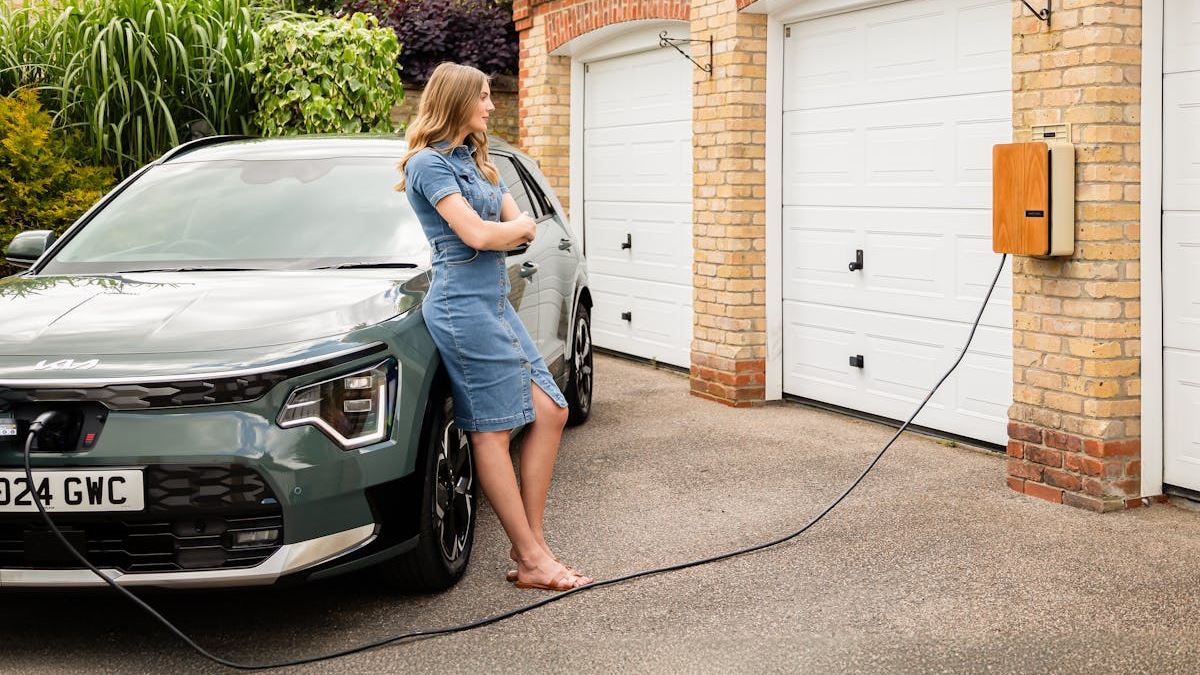
Charging options vary from home wall chargers to fast chargers at public stations. Home charging offers convenience, especially if you have access to a dedicated garage or parking space. For those who frequently travel long distances, a comprehensive understanding of public charging networks like Electrify America, Tesla Superchargers, and ChargePoint is essential.
Comparing Features and Investment Costs
While initial costs for electric cars can be higher, consider factors such as federal tax credits, state incentives, and long-term savings on fuel and maintenance. Modern electric cars incorporate innovative features like advanced driver-assistance systems, infotainment options, and over-the-air software updates, enhancing value and user experience.
Operational Tips for Saving Money and Enhancing Vehicle Life
Battery Maintenance and Longevity
Proper battery care extends the lifespan of your electric car. Avoid frequent deep discharges, keep the battery between 20% and 80% charge, and use scheduled software updates provided by manufacturers. Staying within recommended charge levels and temperature ranges optimizes battery health.
Smart Charging Practices
Charging during off-peak hours can reduce electricity costs, especially if your utility offers time-of-use rates. Using preconditioning features to heat or cool the vehicle while plugged in can improve efficiency and comfort.
Maintaining Your Electric Car’s Safety and Performance
Regular inspections, tire maintenance, and software updates are vital for safety and optimal performance. Keep abreast of manufacturer recalls or updates, and consider professional checkups, especially if planning long trips or extended ownership.
Environmental and Economic Impact of Electric Car Adoption
Reducing Carbon Footprint and Air Pollution
Widespread electric car adoption directly correlates with reduced greenhouse gas emissions, especially when charged with renewable energy. Urban air quality improves as tailpipe emissions drop significantly, benefitting public health.
Economic Benefits for Consumers and Communities
Lower operational costs mean savings for individual drivers and local communities. Job creation in the EV manufacturing, charging infrastructure, and maintenance sectors spurs economic growth while supporting a greener economy.
Future Outlook and Market Trends
As technology advances and battery prices decline, electric cars will become more affordable and accessible. Incentives and stricter emission regulations at the federal and state levels will further accelerate their adoption across diverse demographic groups.
Addressing Concerns and Overcoming Barriers
Addressing Safety and Reliability
Electric cars are subject to rigorous safety standards. Continuous improvements in battery safety, crashworthiness, and vehicle design ensure reliability. Educating consumers on electric car safety features alleviates concerns about new technology.
Overcoming Range Anxiety and Charging Limitations
Expanding charging infrastructure and improving battery range are key solutions. Apps that locate nearby charging stations and real-time availability notifications help drivers plan trips without worry.
Educating Consumers and Building Confidence
Awareness campaigns, test-drive events, and informational resources empower consumers with the knowledge needed to transition confidently to electric cars. Promoting success stories and expert endorsements builds trust and interest.
Conclusion: Embracing Electric Cars for a Sustainable Future
Electric cars represent a transformative shift toward cleaner, more sustainable transportation in the United States. By understanding how to select, operate, and maintain these vehicles, consumers can enjoy economic savings, environmental benefits, and innovative mobility experiences. As policies, technology, and infrastructure continue to evolve, electric cars will become an integral part of America's journey toward a greener future.