
LASIK Surgery Demystified: What U.S. Patients Need to Know Before Making a Decision
Discover everything you need to know about LASIK surgery in the United States. From candidacy and procedure details to risks and costs, this expert guide helps you make informed decisions. Learn about success stories and advancements shaping the future of vision correction.
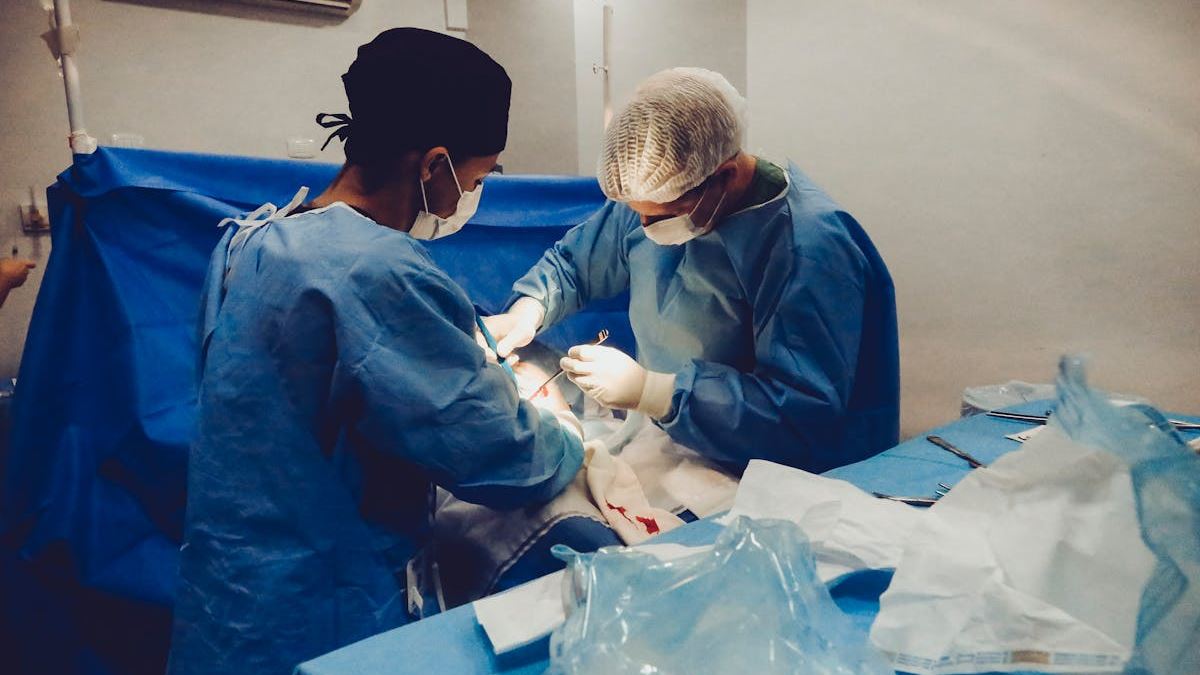
Introduction: Why Consider LASIK Surgery?
Many Americans struggle with corrective eyewear, facing daily inconveniences and limitations. LASIK surgery offers a promising alternative, with high satisfaction rates and quick recovery. Understanding what LASIK entails helps prospective patients make informed choices aligned with their lifestyle and expectations.
History and Evolution of LASIK
Since its approval by the FDA in the 1990s, LASIK has evolved significantly. Improvements in laser precision, safety protocols, and patient selection criteria have increased success rates and minimized complications. Today, it remains the gold standard for refractive surgery in the United States.
Assessing Candidacy for LASIK
Important Considerations
Not everyone qualifies for LASIK. Ideal candidates are over 18, have stable vision, and healthy eyes. Factors like thin corneas, severe dry eye, or certain medical conditions may disqualify some individuals. A detailed eye exam and consultation with a qualified ophthalmologist are critical steps.
The Science Behind LASIK: How It Works
LASIK utilizes a femtosecond laser to create a corneal flap and an excimer laser to reshape the underlying tissue. This precise modification alters how light enters the eye, resulting in clearer vision. The procedure often takes less than 30 minutes per eye with minimal discomfort.
Potential Risks and How They Are Managed
While LASIK boasts over a 95% satisfaction rate, some patients may experience issues such as dry eyes, glare, or undercorrections. Experienced surgeons employ advanced diagnostics and customized treatments to mitigate these risks. Postoperative care and follow-up are essential for optimal outcomes.
Cost Analysis and Insurance Considerations
On average, LASIK costs in the U.S. range from $2,000 to $3,500 per eye, depending on technology and surgeon expertise. Unlike medical procedures covered by insurance, LASIK is elective. Some providers offer financing, and flexible payment plans can make the surgery more accessible.
Choosing Your LASIK Provider
Selecting a reputable surgeon is crucial. Look for board certification, extensive experience, and modern laser technology. Patient reviews and before-and-after galleries can provide insights into the quality of care. An initial consultation allows you to ask questions and evaluate comfort and confidence levels.
Patient Experiences: Successes and Lessons Learned
Many patients report transforming their lives post-LASIK, enjoying clearer vision with minimal downtime. However, some share that setting realistic expectations and thorough pre-surgical assessments are key to satisfaction. Learning from others’ experiences can guide your decision-making process.
Future Directions in LASIK and Refractive Surgery
Advances like wavefront technology, customized treatments, and techniques such as SMILE continue to refine results. Researchers focus on expanding candidacy and reducing side effects, promising an even safer future for laser vision correction.
Final Thoughts and Next Steps
If you're considering LASIK surgery, consult with an experienced ophthalmologist, discuss your goals and concerns, and review all risks and benefits. With the right preparation and professional guidance, LASIK can change your perspective on vision and daily life.