
Enhancing Senior Smartphone Lessons: Strategies for Effective Learning and Digital Inclusion
This comprehensive article offers strategic insights into senior smartphone lessons, focusing on effective teaching methods, personalized learning, and technological aids. It aims to improve digital literacy among seniors, ensuring they can confidently navigate their smartphones. Filled with real-world examples and expert advice, this guide helps trainers and caregivers foster independence and inclusion for older adults across the United States.
Introduction
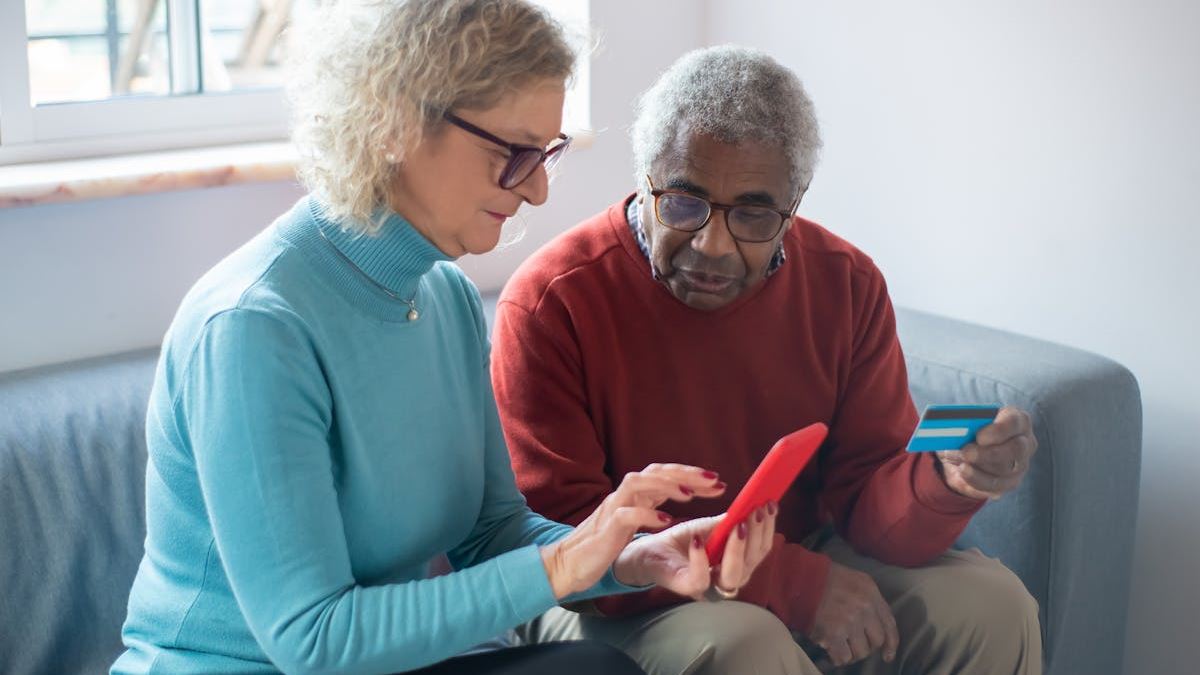
As the digital age advances, the capacity for seniors to engage with smartphones directly impacts their independence, social connection, and access to critical information. Senior smartphone lessons serve as a bridge across the digital gap, equipping older adults with vital skills while fostering confidence and autonomy. This article explores innovative approaches, challenging misconceptions, and offers comprehensive strategies for delivering impactful training tailored to seniors’ diverse needs in the United States.
Understanding the Senior User Experience
Older adults often face unique barriers when approaching new technology, including physical limitations, technology anxiety, and prior unfamiliarity. Recognizing these factors enables trainers and caregivers to develop empathetic, effective instructional methods that resonate with seniors’ experiences and learning paces.
Designing Effective Senior Smartphone Lessons
Assessment and Personalization
Effective lessons begin with assessing each senior's baseline skills and interests. Personalization ensures relevance, which increases motivation and engagement. For instance, a senior who values communication with grandchildren may focus primarily on messaging and video calls.
Creating a Supportive Learning Environment
Patience, encouragement, and clear instructions help reduce anxiety. Using simplified language, step-by-step demonstrations, and hands-on practice fosters a positive learning atmosphere that accommodates different learning styles.
Incorporating Technology Aids
Utilize accessibility features such as magnification gestures, voice commands, and hearing aid compatibility. Screen readers and magnifiers can enhance usability for seniors with impairments, ensuring lessons are inclusive and effective.
Core Skills in Senior Smartphone Lessons
Navigating User Interfaces
Training should emphasize understanding icons, gestures, and menu navigation. Practice sessions involving unlocking devices, switching apps, and customizing home screens build essential familiarity.
Using Communication and Wellness Apps
Introduce seniors to mainstream communication platforms, health tracking apps, and emergency services. Demonstrations on setting up and using these apps develop independence and confidence in managing daily routines.
Security and Digital Safety
Teaching seniors about safe browsing, recognizing scams, and managing permissions safeguards their digital presence. Reinforcing best practices regularly ensures continued awareness and protection.
Practical Methods for Senior Smartphone Lessons
Case studies from community centers, assisted living facilities, and home-based training reveal effective teaching techniques. Incorporating multimedia resources, peer support, and step-by-step checklists is key to success.
Real-World Applications and Benefits
Scenario 1: Staying socially connected during unprecedented times
By mastering senior smartphone lessons, seniors can participate in virtual family gatherings, maintain friendships, and access mental health resources remotely, combating loneliness and isolation.
Scenario 2: Managing emergencies and daily safety
Learning to send emergency messages, locate nearby services, and use health apps ensures seniors live safer, more empowered lives, especially in emergency situations.
Expert Views and Future Perspectives
Feedback from leading gerontechnologists underscores the importance of ongoing support and adaptive learning methods. The future of senior smartphone lessons involves integrating virtual reality, personalized learning algorithms, and community-based programs to promote lifelong digital literacy.
Conclusion
Delivering effective senior smartphone lessons requires understanding elder users' needs, employing empathetic teaching methods, and leveraging technology aids. Continuous learner support and innovative approaches help seniors not only master their devices but also thrive in an increasingly connected world. Emphasizing digital inclusion empowers seniors, ensuring they remain active participants in the digital society.