
Navigating the Growing World of Exchange Traded Funds (ETFs): Opportunities, Risks, and Future Outlook
Discover the latest trends and analysis in the rapidly growing ETF market. This comprehensive article explores opportunities, risks, and future outlooks of exchange traded funds (ETFs), equipping investors with insights needed to make smarter investment choices. Stay ahead in the dynamic world of ETFs with expert perspectives and strategic advice.
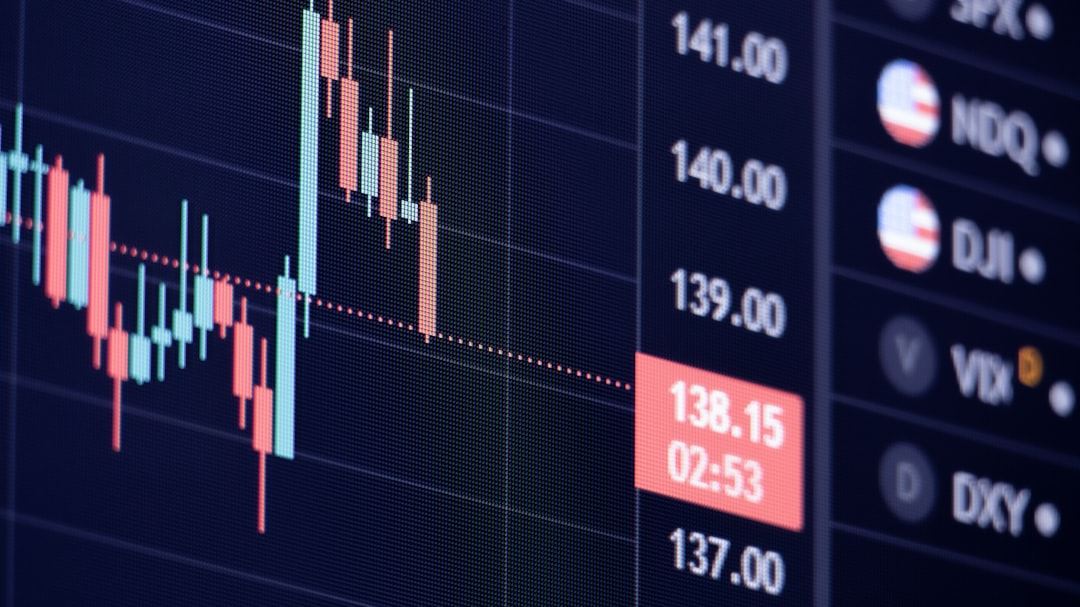
The Rise of ETFs in Modern Investment Portfolios
Exchange traded fund (ETF) has revolutionized how individual investors and institutions approach asset allocation. Over the past decade, ETFs have surged in popularity due to their efficiency, flexibility, and broad market access. This trend reflects a paradigm shift from traditional mutual funds to more dynamic, trading-friendly investment vehicles that cater to diverse financial objectives.
Deep Dive into ETF Mechanics and Market Dynamics
ETFs operate on an innovative creation and redemption mechanism, enabling them to stay closely aligned with their underlying assets. Market makers facilitate liquidity, ensuring that ETF shares trade smoothly throughout the day. This structure helps mitigate some of the drawbacks associated with mutual funds, such as smoothing out investor redemptions and reducing the capital gains tax burden.
Exploring the Spectrum of ETF Offerings
The ETF universe is expanding, with new products constantly emerging to meet investor needs. Notable trends include:
- Smart Beta ETFs: Combine passive indexing with factor investing strategies to tilt portfolios towards specific risk factors.
- Sustainable and ESG ETFs: Focus on environmentally and socially responsible investments, aligning portfolio goals with personal values.
- Leveraged and Inverse ETFs: Designed for short-term traders seeking amplified returns or hedge positions against market downturns.
- International and Thematic ETFs: Offer exposure to emerging markets or specific themes like AI, blockchain, or renewable energy.
Making Informed ETF Investment Decisions
Investors looking to incorporate ETFs into their strategies should consider several critical factors:
- Expense Ratios: Lower costs improve long-term returns.
- Liquidity and Spread: Higher average daily volume reduces trading costs and slippage.
- Tracking Error: The degree to which the ETF's performance deviates from its index offers insight into management efficiency.
- Underlying Holdings: Transparency around assets helps assess risk exposure.
The Future of ETFs: Trends and Predictions
Looking ahead, ETFs are poised to become even more integral to diversified portfolios. Advances in trading technology, increased focus on ESG investing, and the advent of actively managed ETFs are expected to shape the industry. Moreover, regulatory developments and increased institutional participation will likely enhance the sophistication and scope of ETF products.
The Risks and Challenges for ETF Investors
Despite their appeal, ETFs are not without risks. Market volatility can lead to rapid price swings. The complexity of leveraged ETFs can amplify losses if misused. Additionally, liquidity issues may arise in less-traded ETFs, especially during market stress. Investors should employ due diligence, diversify appropriately, and consider professional advice before engaging heavily with ETFs.
Conclusion: Embracing ETFs for a Resilient Investment Portfolio
As the ETF landscape continues to evolve, investors must stay informed about emerging trends, product structures, and risk management strategies. Properly leveraging the advantages of exchange traded fund (ETF) can lead to more resilient, diversified, and cost-effective investment portfolios capable of navigating complex market environments with confidence.