
Living Well with COPD Emphysema: Strategies for Managing and Improving Quality of Life
Explore practical strategies for managing COPD emphysema effectively. Learn about lifestyle adjustments, medical treatments, mental health support, and innovative therapies that can improve quality of life for those living with this chronic lung condition.
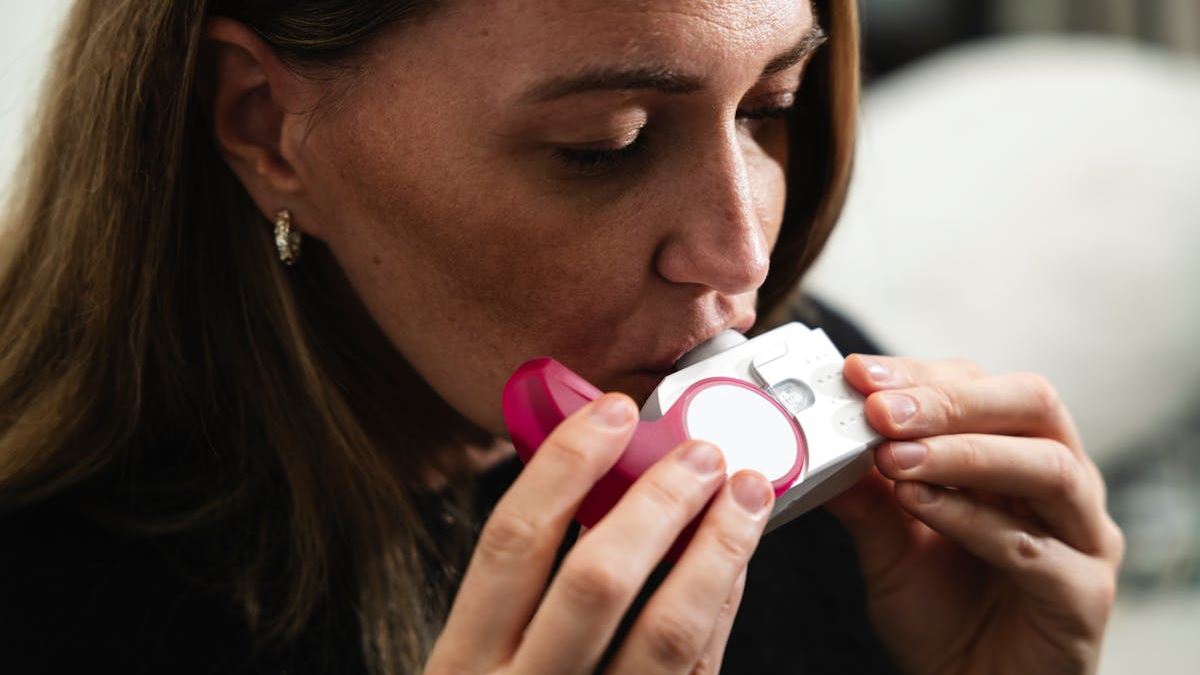
Understanding the Impact of COPD Emphysema on Daily Life
Chronic Obstructive Pulmonary Disease emphysema significantly affects a person's daily activities, emotional well-being, and overall health. Patients often face limitations in physical activity, which can lead to feelings of frustration and social isolation. Through patient stories, we explore how individuals adapt their routines, emphasizing the importance of personalized care plans and supportive environments.
Comprehensive Management Approaches
Effective management of COPD emphysema involves a combination of pharmacological treatment, lifestyle modifications, and psychosocial support. Medications like inhalers, nebulizers, and oral drugs help control symptoms, but adherence is key. Pulmonary rehabilitation programs combine exercise, nutrition guidance, and education to empower patients. Healthcare professionals recommend regular monitoring to adjust treatments proactively.
Nutrition and Exercise: Foundations for Better Health
Proper nutrition supports immune function and energy levels, enabling patients to perform daily activities with less fatigue. Gentle, guided exercise improves respiratory efficiency, muscle strength, and overall endurance. Real-world examples reveal success stories of patients who have integrated physical activity into their routines despite breathing challenges.
Psychosocial Support and Mental Health
Living with COPD emphysema can lead to anxiety and depression. Mental health support from counselors, support groups, and family is vital. Techniques such as mindfulness, stress management exercises, and peer connections can improve emotional resilience. Expert commentary underscores the interplay between mental health and physical symptoms, emphasizing holistic care.
Innovative Therapies and Future Treatments
Research advances focus on biological therapies, stem cell applications, and novel inhalers designed to reduce inflammation and tissue destruction. Participants in clinical trials report promising results, highlighting a future where disease progression may be halted or reversed. Collaboration among scientists, healthcare providers, and patients accelerates these breakthroughs.
Empowering Patients Through Education and Support
Educational campaigns aim to increase awareness about COPD emphysema, detection, and management strategies. Empowering patients to take an active role in their care leads to better health outcomes. Strategies include developing personalized action plans, medication adherence tools, and community outreach programs.
Conclusion: Embracing a Proactive Approach
While COPD emphysema presents ongoing challenges, proactive management and supportive care can markedly enhance quality of life. Patients who stay informed, adhere to treatment plans, and seek ongoing support are better equipped to lead fulfilling lives. The future holds hope through emerging therapies and a greater commitment to lung health awareness.