
Maximizing Your Safety: Advanced Features and Technology Behind Wireless Security Cameras in the US
Explore the latest advancements in wireless security cameras with an in-depth review of innovative features like AI analytics, 4K resolution, facial recognition, and smart home integration. Learn how these technologies improve security, reduce false alarms, and offer homeowners tailored solutions for maximum safety and convenience.
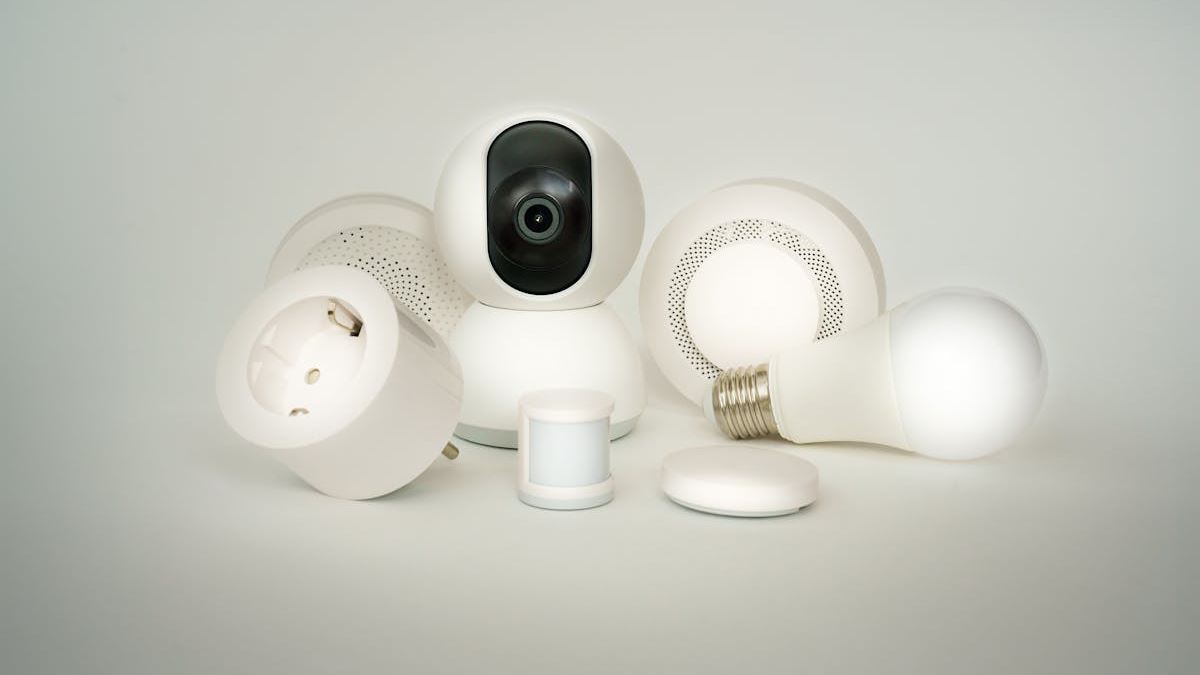
Introduction: Embracing Technological Advancements in Wireless Security Cameras
As technology rapidly advances, wireless security cameras have become more than just surveillance devices—they are integral components of modern smart homes. They combine high-resolution imaging, intelligent analytics, and seamless connectivity to provide users with unparalleled security, convenience, and peace of mind. This article explores the cutting-edge features that characterize today’s wireless security cameras and how they address the evolving security needs of homeowners across the United States.
State-of-the-Art Features in Wireless Security Cameras
High-Resolution Video and HDR Capabilities
Next-generation wireless security cameras offer 4K video resolution, ensuring extremely detailed footage. High Dynamic Range (HDR) technology balances contrast and brightness, even in challenging lighting conditions, producing clear images day and night.
AI-Powered Analytics and Smart Alerts
Artificial intelligence enables cameras to recognize human movement, detect specific objects, and differentiate between benign activity and potential threats. These features drastically reduce false alarms and improve real-time response accuracy.
Facial Recognition and User Identification
Enhanced security can be achieved through facial recognition technology, allowing homeowners to receive alerts when particular individuals are detected on their property. This feature is especially useful for recognizing family members and trusted visitors.
Seamless Integration with IoT Devices
Wireless security cameras today can connect effortlessly with smart door locks, lighting systems, and voice assistants such as Alexa or Google Assistant. This interoperability creates a comprehensive security ecosystem configurable through centralized apps.
Secure Cloud Storage and Data Encryption
Data security remains paramount. Leading manufacturers utilize end-to-end encryption, ensuring video streams and recordings are protected from interception or hacking. Cloud storage providers also offer tiered subscription plans for flexible, safe data storage.
Real-World Applications and Case Studies
Consider a typical American suburban neighborhood where a household installed 4K wireless security cameras with AI analytics. During a night-time break-in attempt, the camera's motion detection swiftly alerted homeowners via smartphone app, featuring real-time video streaming and facial recognition of the intruders. Similarly, a small business enhanced its security by integrating outdoor cameras with smart lighting, deterring vandalism and assisting law enforcement with clear footage.
Expert Commentary: Choosing the Right Wireless Security Camera for Your Needs
Security specialists emphasize evaluating individual requirements before selecting a model. Consider factors like the size of the property, specific security concerns, budget, and compatibility with other smart home devices. Experts also recommend prioritizing security features like encrypted data transmission and software updates to stay protected against cyber threats.
The Future of Wireless Security Cameras: Trends to Watch
Emerging trends include the integration of AI-driven behavioral analytics, predictive security systems, and 5G-enabled cameras for ultra-fast data transmission. Additionally, privacy-preserving features, such as local edge storage and user-controlled access, will become standard to address growing data security concerns. As technology becomes more sophisticated, so does the potential for homeowners to customize and enhance their security infrastructure.