
Top Strategies for Effective Water Remediation in the United States: From Contamination to Restoration
Discover innovative strategies and technologies in water remediation across the United States. This comprehensive guide covers tailored approaches, real-world success stories, regulatory frameworks, and future challenges to ensure clean, safe water for communities and ecosystems alike.
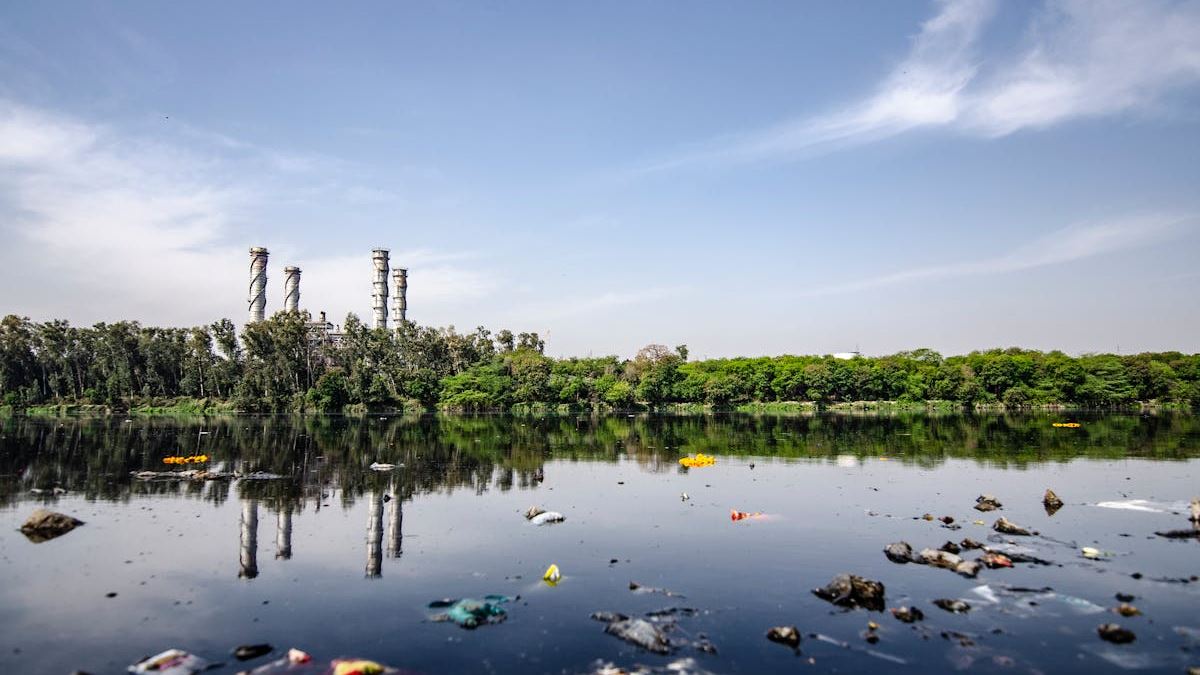
The Growing Need for Water Remediation in the United States
In recent decades, the United States has faced increasing challenges related to water quality, driven by industrial development, agricultural runoff, aging infrastructure, and climate change. Water remediation has become a critical response to these issues, aiming to restore contaminated water sources to safe levels. The importance of effective water remediation extends beyond environmental concerns to public health, economic stability, and community resilience.
Advanced Technologies Transforming Water Remediation
The evolution of water remediation technologies has revolutionized how contaminants are removed from water sources. Membrane bioreactors, nanofiltration, advanced oxidation processes, and electrochemical treatments are at the forefront of current practices. These innovative solutions offer higher efficiency, lower environmental impact, and cost-effectiveness. For instance, nanotechnology allows for targeted removal of micro-pollutants, such as pharmaceuticals, which traditional methods struggle to eliminate. The integration of real-time monitoring systems further enhances remediation accuracy and responsiveness.
Designing Customized Water Remediation Projects
Every contaminated water source presents unique challenges requiring tailored remediation solutions. Factors influencing design include the type and extent of pollutants, hydrogeological conditions, available technology, and community needs. Environmental engineers play a vital role in assessing site conditions, conducting feasibility studies, and developing comprehensive plans. Stakeholder engagement, including local governments and residents, ensures that remediation efforts align with community expectations and regulatory requirements. Effective project management guarantees timely and budget-conscious completion.
Case Studies Demonstrating Successful Water Remediation Initiatives
Across the country, numerous successful water remediation projects exemplify best practices. For example, the removal of arsenic from well water in rural communities through reverse osmosis systems has significantly improved health outcomes. Urban river restoration projects utilizing sediment dredging and biological treatments have revived ecosystems and enhanced water quality for recreational use. Large-scale groundwater cleanup efforts in former industrial zones often involve multi-phase approaches, combining chemical oxidation with bioremediation techniques. These case studies highlight the importance of adaptive management and technological innovation.
Regulations and Stakeholder Responsibilities in Water Remediation
Compliance with regulations such as the Clean Water Act and Safe Drinking Water Act is fundamental for successful remediation projects. Regulatory agencies enforce standards, oversee permits, and monitor progress. Stakeholders, including government agencies, private companies, and local communities, share responsibility for ensuring safe water. Transparency and public participation are crucial for maintaining trust and accountability. Additionally, proper documentation and reporting support ongoing compliance and adaptive management to address emerging contaminants or unforeseen challenges.
The Future of Water Remediation: Challenges and Opportunities
While advancements have significantly improved water remediation capabilities, ongoing challenges include funding constraints, rapidly emerging pollutants, and climate change impacts. Emerging contaminants like microplastics, pharmaceuticals, and PFAS require innovative detection and removal strategies. Utilizing big data, artificial intelligence, and machine learning can enhance predictive analytics, optimize operations, and prevent contamination incidents. Collaboration across sectors and jurisdictions fosters shared knowledge and resource pooling, ensuring resilient water management systems for future generations.
Conclusion: Safeguarding Water Resources for a Sustainable Future
Protecting water resources through effective remediation is essential for environmental health, public safety, and economic stability. Embracing technological innovation, regulatory compliance, and stakeholder collaboration paves the way for sustainable water management. As environmental challenges evolve, continuous research and adaptive strategies will be key to addressing complex contamination issues. The future of water remediation in the United States lies in resilience, innovation, and a shared commitment to safeguarding our water supplies for all.