
Enhancing Patient Care Through Mobile Medical Services: A Modern Healthcare Approach in the United States
Discover how mobile medical services are revolutionizing healthcare in the US by providing accessible, efficient, and patient-centered care. Learn about real-world applications, benefits, challenges, and future trends shaping this innovative approach to health delivery.
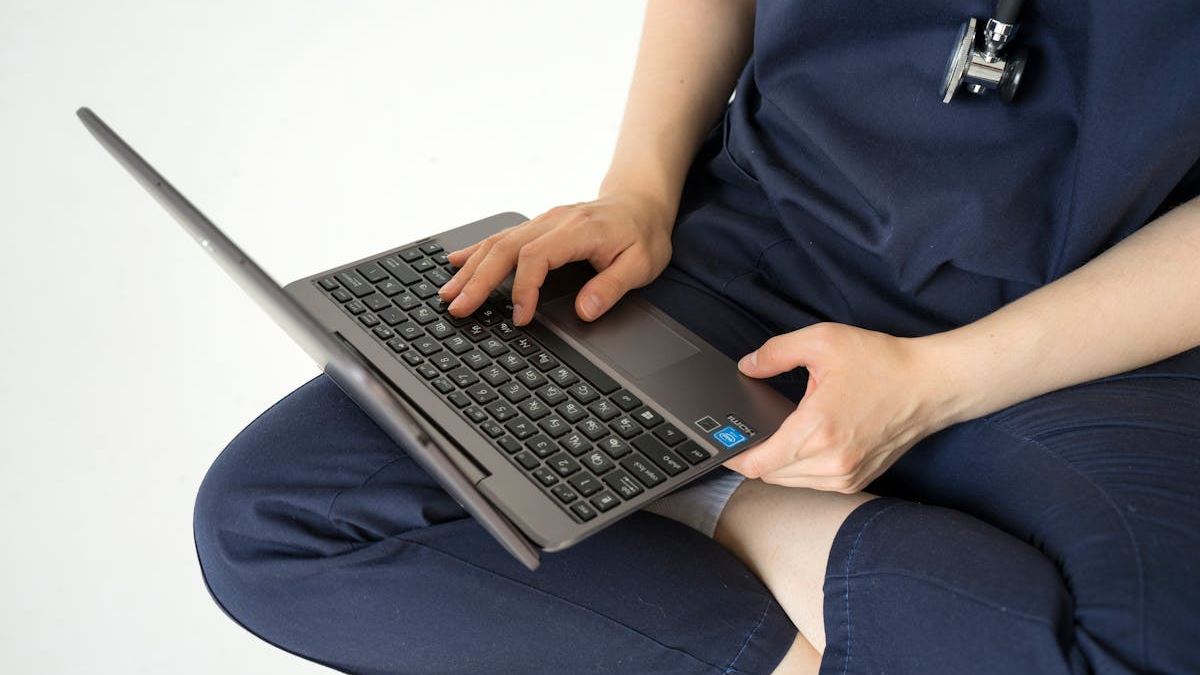
Understanding Mobile Medical Services and Their Significance Today
Mobile medical services have emerged as a cornerstone of modern healthcare in the United States, transforming traditional medical delivery by bringing care directly to the patient. This approach appeals to various demographics, from busy urban professionals to rural residents with limited access to healthcare facilities. As healthcare costs continue to rise and patient expectations evolve, mobile services offer an innovative solution to meet contemporary needs.
The Core Components of Effective Mobile Medical Services
Advanced Technology and Equipment
Successful mobile medical setups incorporate portable diagnostic tools such as point-of-care testing devices, digital stethoscopes, and telehealth platforms. These enable remote diagnostics, real-time data sharing, and efficient communication, ensuring quality care comparable to traditional clinical settings.
Multidisciplinary Mobile Care Teams
Mobile care teams often comprise physicians, nurses, paramedics, and health technicians trained specifically for mobile service delivery. Their expertise spans a variety of fields, ensuring holistic care that addresses acute issues and manages chronic conditions effectively outside hospital confines.
Regulatory and Insurance Considerations
As mobile medical services expand, regulatory compliance becomes critical. This includes licensing requirements, privacy standards (HIPAA), and reimbursement policies. Recent advancements have increased insurance coverage for mobile healthcare, incentivizing providers to expand these services.
Real-World Applications of Mobile Medical Services
Rural and Underserved Populations
Mobile clinics serve as vital lifelines for rural communities, providing essential services such as preventive screenings, immunizations, and chronic disease management. For instance, mobile units equipped with telehealth stations can connect patients with specialists otherwise unavailable locally.
Chronic Disease Management
Patients with long-term conditions like diabetes or hypertension benefit greatly from periodic home visits by mobile health professionals who monitor health metrics, adjust treatments, and educate patients on lifestyle modifications, leading to better outcomes and reduced hospital visits.
Post-Hospitalization Care and Emergency Response
Post-discharge mobile services help prevent readmissions by providing follow-up care and medication management at home. Additionally, mobile units are an essential part of the emergency response infrastructure, delivering urgent care during disasters or crises.
Challenges and Strategies for Growth in the U.S.
Financial Sustainability
Funding models, insurance reimbursement, and government grants are vital for sustainability. Innovative billing practices and partnerships with hospitals and insurers can enhance revenue streams and expand service reach.
Patient Engagement and Trust Building
Engaging communities through outreach programs, ensuring privacy, and delivering consistently high-quality care build trust and encourage adoption of mobile medical services, particularly among hesitant populations.
Operational and Technical Challenges
Maintaining reliable connectivity, securing portable equipment, and streamlining logistics require strategic planning and ongoing staff training to mitigate disruptions in service delivery.
Looking Ahead: Future Trends in Mobile Medical Services
The integration of artificial intelligence, remote monitoring, and expanded telehealth capabilities heralds an exciting future for mobile medical services. Policies fostering innovation and investment will further propel their growth, making healthcare more flexible and inclusive.
Final Thoughts
Mobile medical services are poised to redefine healthcare delivery in the United States by improving access, efficiency, and patient satisfaction. Embracing technological advancements and addressing operational challenges are essential steps toward a more equitable and responsive healthcare system.