
The Critical Role of Emergency Medical Services in Community Health and Safety
Explore the vital importance of emergency medical services in promoting community health and safety. This article discusses the history, operations, technological advancements, and future strategies of EMS across the United States. Learn how EMS responds to disasters, bridges healthcare gaps, and plays a crucial role during emergencies to save lives and protect public well-being.
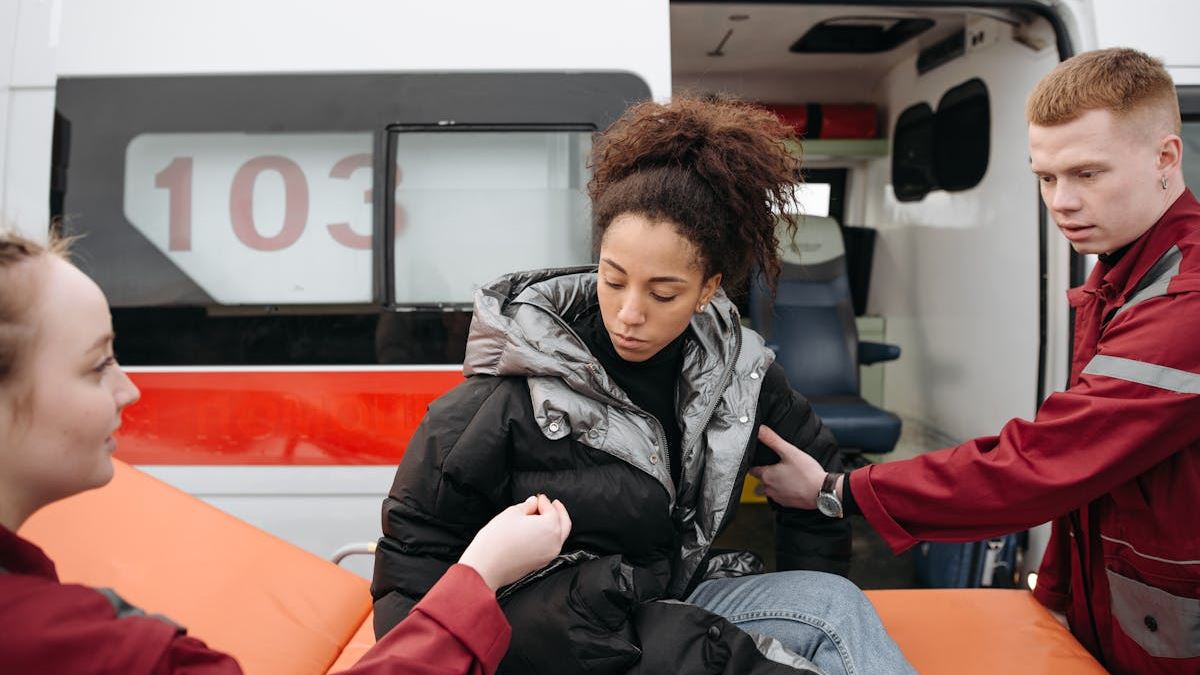
Introduction: Why Emergency Medical Services Matter
Emergency Medical Services (EMS) are fundamental to ensuring timely medical intervention during life-threatening incidents. Their quick response and expert care can mean the difference between life and death, making them indispensable in maintaining community health and safety across the United States.
Historical Evolution and Policy Framework
Since their inception, EMS have evolved from basic first aid and ambulance services to sophisticated emergency response networks. Policies at federal, state, and local levels govern standards, funding, and integration with hospitals and public health agencies, aiming for seamless and rapid care delivery.
Operational Core: From Dispatch to Hospital
The EMS process begins with a 911 call and spans dispatch, on-scene care, transportation, and hospital handover. Each phase involves specialized personnel, protocols, and equipment designed to stabilize and transport patients efficiently. The integration of technology ensures rapid dispatch and real-time communication.
Training and Certification: Ensuring Quality Emergency Care
EMS providers undergo rigorous training, including certifications such as EMT or paramedic licenses, CPR, and trauma management. Continuous education, skills drills, and Drills ensure high-quality care and adaptability to new medical protocols and emerging emergencies.
Addressing Rural and Urban Disparities
While urban centers often have multiple EMS resources, rural areas face significant response delays due to geographic barriers. Strategies like community paramedicine, mobile clinics, and telehealth services are being implemented to bridge these disparities, ensuring equitable emergency care.
Technological Innovations Shaping the Future
Emerging technologies such as drone delivery of medical supplies, mobile data sharing, and AI-powered dispatch systems promise to enhance responsiveness and patient outcomes. These innovations aim to reduce response times and improve coordination across emergency services.
Case Study: Managing Major Disasters
During natural disasters like hurricanes and earthquakes, coordinated EMS efforts are crucial for evacuation, triage, and ongoing medical support. Analyzing these responses provides insights into disaster preparedness and the importance of resilient EMS infrastructure.
Community Engagement and Education
Public awareness initiatives, CPR training programs, and first aid courses empower communities to participate effectively in emergency responses. Community engagement bolsters EMS efforts and enhances overall preparedness.
Conclusion: Building Stronger Emergency Medical Services
As threats evolve, so must EMS. Investing in training, technology, and community programs will ensure EMS continues to serve as a reliable pillar of public safety. Strengthening these services safeguards communities and enhances resilience against future emergencies.