
Cremation Services and Cultural Diversity in America: Respectful Approaches to End-of-Life Celebrations
Explore how cremation services in the U.S. reflect the country's rich cultural and religious diversity. Learn about respectful, personalized end-of-life options that honor various traditions, beliefs, and rituals, ensuring dignified memorials for every community.
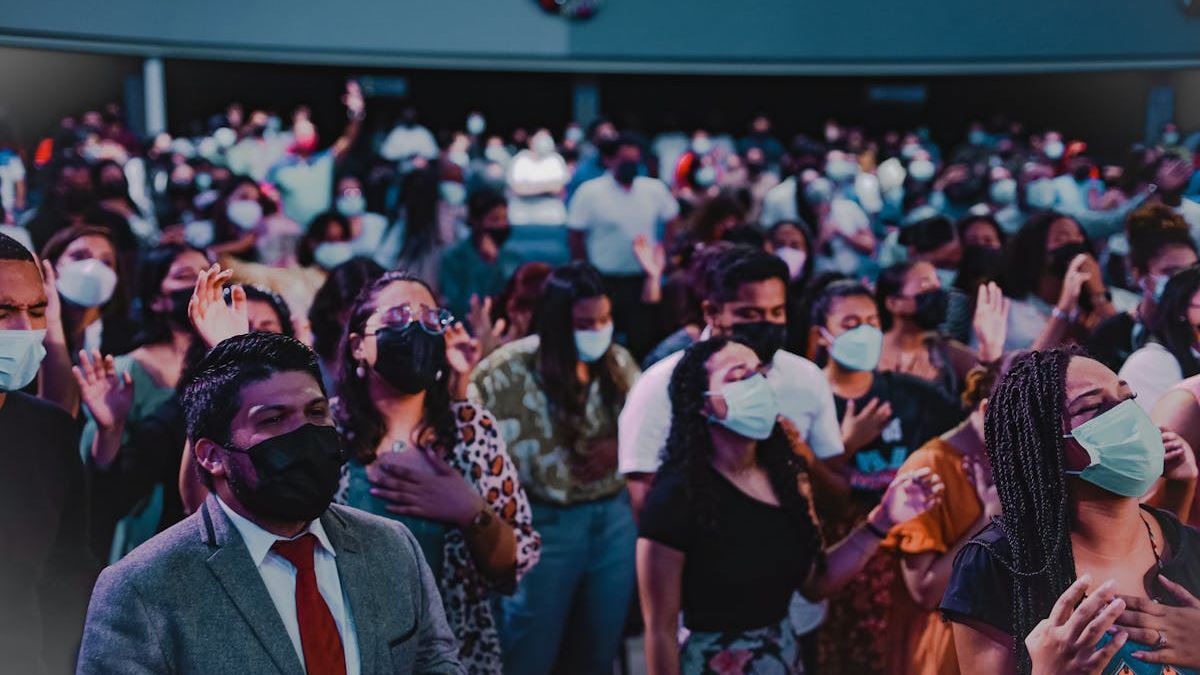
Introduction: Embracing Cultural Diversity in Cremation Services
The United States is a melting pot of cultures, religions, and traditions, each with unique views on death and memorial practices. Cremation services have adapted to these diverse needs, offering respectful, tailored solutions that honor cultural and religious beliefs while providing options for modern end-of-life planning.
Religious Perspectives on Cremation in the United States
Christianity
While traditional Christian denominations favored burial for centuries, views have evolved. Many denominations now accept cremation, seeing it as a practical or symbolic choice. Cremation services are often incorporated into funeral rites, with options for viewing and ritualistic ceremonies.
Judaism
Jewish law traditionally prohibits cremation due to beliefs about bodily sanctity. However, within the diverse Jewish community, some groups are increasingly open to cremation because of practical considerations. Providers should ensure respectful handling aligned with religious sensitivities.
Islam
Islam generally prohibits cremation, emphasizing burial as a religious obligation. Nevertheless, understanding these perspectives helps service providers and families navigate complex decisions, especially for interfaith families or those seeking alternative memorial options within the cultural context.
Buddhism and Hinduism
Both religions traditionally favor cremation as part of ritual practice. These services often include specific prayers, ceremonies, and rituals that honor spiritual beliefs, making cremation a spiritually meaningful act.
Cultural Practices and Modern Cremation Services
Beyond religious considerations, cultural customs significantly influence funeral arrangements. For example, some Native American tribes incorporate traditional ceremonies with cremation, while others emphasize scattering ashes in nature as an act of spiritual return. Modern cremation services are adaptable to these traditions, providing options such as dedicated ceremonies, personalized urns, and eco-friendly cremation methods.
Addressing Common Misconceptions and Concerns
Many cultural groups have reservations or misconceptions about cremation. Educating families about the respectful, dignified process and showcasing diverse ways to memorialize loved ones can help mitigate fears and misunderstandings. Service providers should be culturally sensitive, providing information and support tailored to each family's beliefs.
Legal and Ethical Considerations
Different states have specific regulations respecting cultural and religious practices related to cremation. Ethical service providers work with families to ensure legal compliance while respecting cultural needs, facilitating meaningful, personalized memorial rituals.
Conclusion: Celebrating Diversity Respectfully
Cremation services in the United States accommodate a broad spectrum of cultural and religious traditions. By adopting respectful, flexible approaches, service providers can support families in creating meaningful celebrations that honor their loved ones’ beliefs and customs, fostering healing and remembrance for all communities.