
Decoding the Echocardiogram: How Heart Imaging Enhances Modern Cardiology
Explore how modern echocardiogram technology enhances cardiac diagnosis and treatment. This detailed article discusses advances, real-world applications, and future trends, emphasizing the vital role of heart imaging in improving patient outcomes and providing personalized cardiac care.
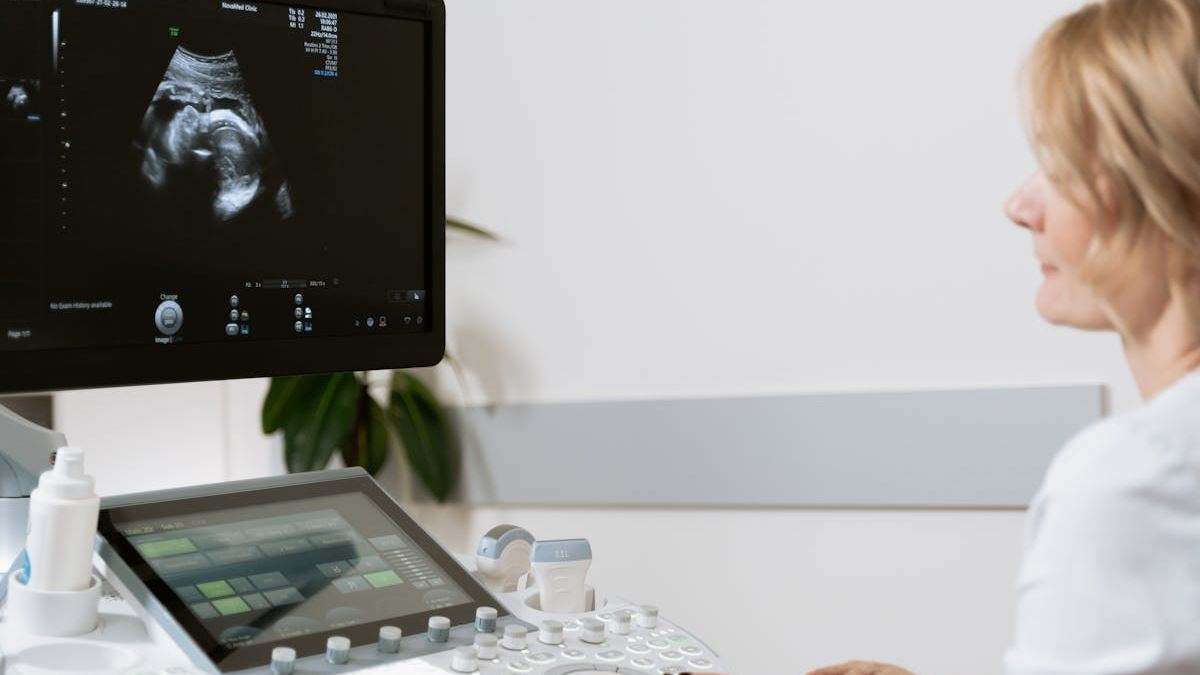
The Significance of Echocardiogram in Modern Healthcare
The echocardiogram is considered a cornerstone in cardiac diagnostics, offering a non-invasive, real-time window into the heart's anatomy and functionality. Its importance has grown with technological advancements that enable clinicians to detect pathologies earlier and with greater precision.
Advances in Echocardiographic Technology
Recent innovations include 3D echocardiography, contrast-enhanced imaging, and strain analysis. These tools provide enhanced visualization, allowing cardiologists to identify subtle myocardial dysfunctions, evaluate complex valve disorders, and assess myocardial viability more effectively.
Clinical Applications of Echocardiogram
- Diagnosing heart failure through assessment of ejection fraction and ventricular function
- Detecting congenital heart defects in newborns and adults
- Evaluating valve diseases such as stenosis or regurgitation
- Monitoring patients with known cardiac conditions
Real-World Case Studies
A case involving a middle-aged patient presenting with unexplained fatigue and shortness of breath revealed a weak ejection fraction during an echocardiogram, leading to early intervention for heart failure. Another example involved congenital defect detection in a young child, facilitating timely corrective surgery.
Expert Insights: Enhancing Patient Outcomes with Echocardiography
Leading cardiologists highlight that integrating advanced echocardiographic techniques into routine practice significantly improves diagnostic accuracy, reduces unnecessary invasive procedures, and tailors treatment plans to individual patient needs.
The Road Ahead: Future Trends in Echocardiographic Imaging
Emerging trends include artificial intelligence-driven image analysis, portable handheld devices, and remote diagnostics. These innovations aim to make cardiac imaging more accessible, faster, and more accurate, especially in underserved areas.
Conclusion: Why You Should Consider an Echocardiogram
If you have risk factors for heart disease or experience symptoms like chest discomfort or irregular heartbeat, consulting your cardiologist about an echocardiogram is a proactive step toward maintaining your cardiovascular health. Early detection saves lives and guides effective treatment.