
Bone Density Tests in the United States: Enhancing Preventive Care and Treatment Strategies
Explore the current state of bone density testing across the United States, including technological advances, public health efforts, and challenges. Learn how proactive screening can help prevent osteoporosis and fractures, ensuring a healthier, more active aging population.
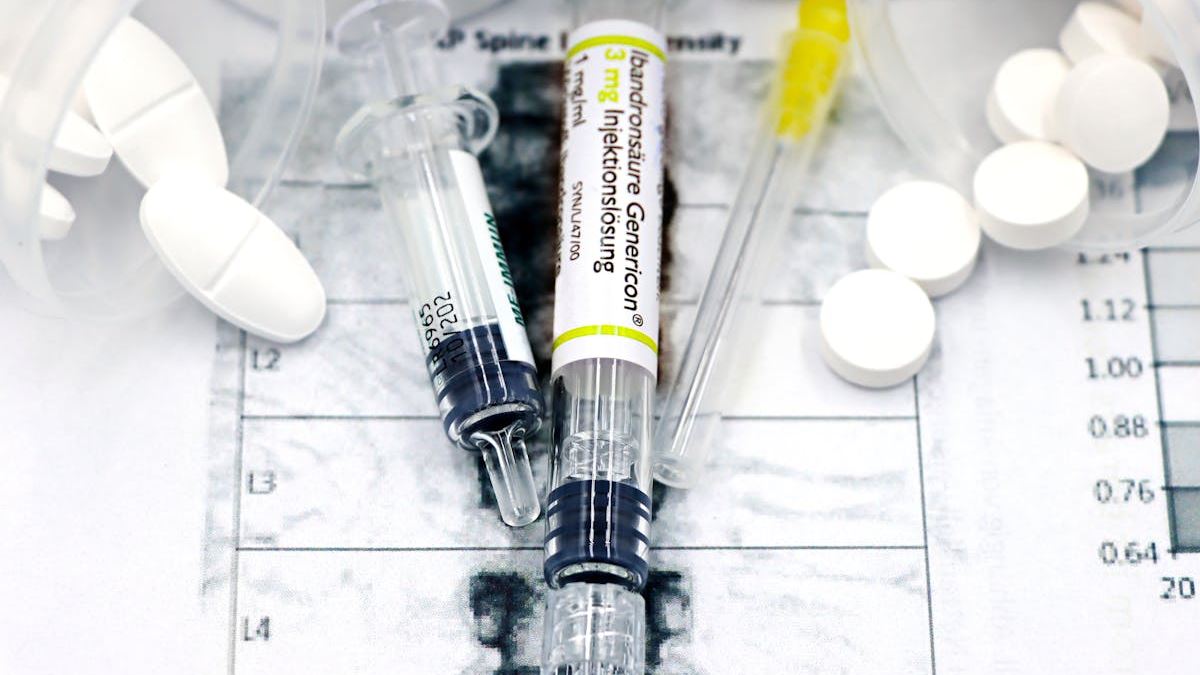
Overview of Bone Density Testing in the US
Bone density testing has become an integral part of preventive healthcare in the United States. With the aging population and rising awareness of osteoporosis, healthcare providers are increasingly recommending routine screenings to identify at-risk individuals early. This article explores the landscape of bone density testing across the US, including its accessibility, technological advancements, and public health implications.
Global and National Perspectives on Bone Density Screening
The US leads in integrating bone health assessments into primary care settings. According to the Centers for Disease Control and Prevention (CDC), millions of Americans are screened annually via DXA scans, which are covered by most insurance plans when medically indicated. Despite this accessibility, disparities exist among certain populations, including minorities and low-income groups, underscoring the need for equitable healthcare strategies.
Advancements in Bone Density Testing Technology
Recent innovations have improved the accuracy, comfort, and availability of bone density scans. Portable devices and 3D imaging techniques now enable rural and underserved areas to access this vital screening. Additionally, researchers are exploring biomarkers and alternative imaging methods to supplement traditional DXA scans, providing a more comprehensive view of bone health.
The Role of Public Health Programs
Numerous public health initiatives aim to increase awareness and screening rates. Campaigns target high-risk populations, emphasizing the importance of early detection. The CDC's National Bone Health Program collaborates with healthcare providers to implement community-based screening events and educational campaigns, reducing the incidence of fractures and osteoporosis-related disabilities.
Barriers and Challenges in Bone Density Screening
Despite progress, certain barriers hinder optimal screening rates. These include lack of awareness, limited access in rural or underserved areas, and insurance coverage limitations. Addressing these barriers requires policy changes, increased funding, and public education to ensure all Americans can benefit from preventive bone health assessments.
Future Directions for Bone Density Testing in the US
The future of bone density testing involves integrating genetic information, advancing imaging technology, and developing personalized treatment plans based on comprehensive data. Healthcare providers are increasingly adopting interdisciplinary approaches to manage bone health, emphasizing prevention, early detection, and individualized care.
Conclusion: Embracing a Proactive Approach to Bone Health
Bone density testing is a cornerstone of effective osteoporosis prevention and management in the United States. As technology advances and public health initiatives expand, more Americans will have access to early diagnosis and personalized interventions. It is crucial for individuals to stay informed and proactive about their bone health, partnering with healthcare providers to maintain mobility and quality of life in later years.