
Innovative Trends and Technologies Transforming Solar Power Installation in 2024
Explore the latest trends and innovative technologies shaping solar power installation in 2024. From high-efficiency panels and smart systems to modular designs and eco-friendly practices, this article provides insights for homeowners, installers, and industry stakeholders eager to leverage new advances in renewable energy.
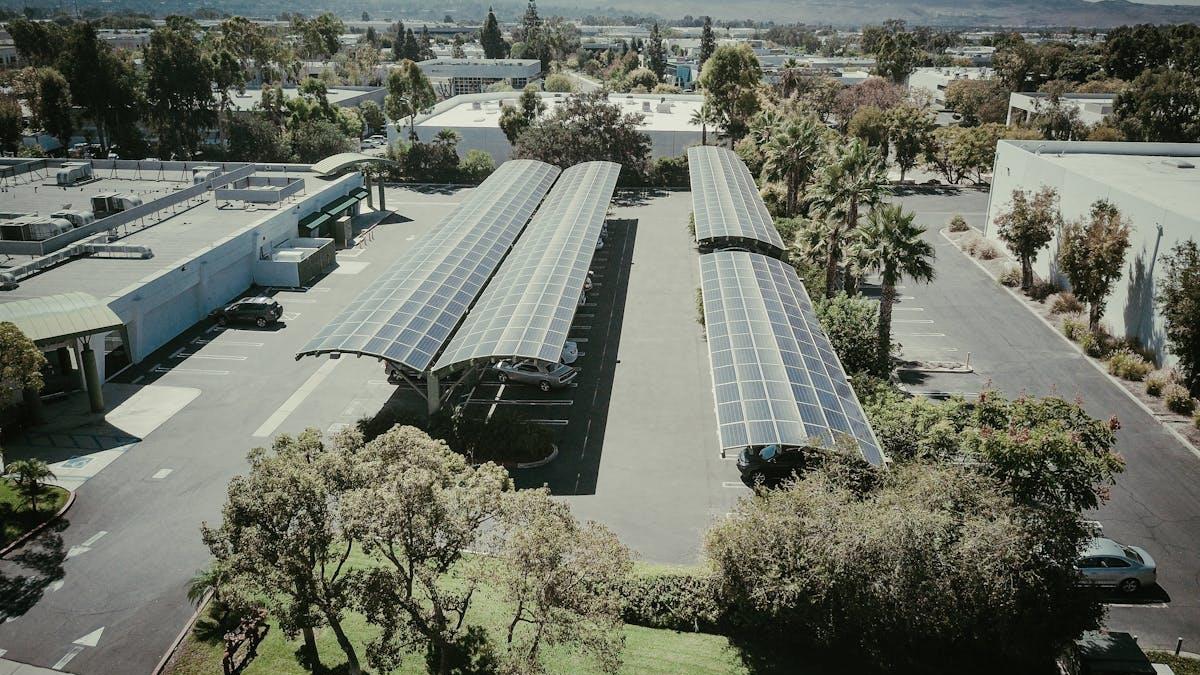
Emerging Technologies in Solar Power Installation
The solar industry is rapidly evolving, with new technologies enhancing efficiency, reducing costs, and expanding the possibilities for solar power installation across the United States. Stay ahead of the curve by understanding these innovations and how they influence project outcomes.
High-Efficiency Solar Panels
Perovskite and Bifacial Panels
Recent advances have led to higher efficiency solar panels, such as perovskite-based models and bifacial designs that capture sunlight from both sides. These panels significantly boost energy output without increasing installation footprint, ideal for constrained spaces.
Flexible and Thin-Film Solar Cells
Flexible solar panels are lightweight, adaptable, and easier to install on a variety of surfaces, opening new avenues for residential and commercial solar power installation. Their durability and performance continue to improve, making them viable alternatives to traditional panels.
Smart Solar Technologies
Integration with IoT and AI
Internet of Things (IoT) and artificial intelligence (AI) are transforming solar power installation management. Smart inverters, predictive maintenance, and real-time monitoring optimize system performance and lifespan, reducing downtime and operational costs.
Dynamic Systems and Energy Storage
Next-generation energy storage solutions, including advanced batteries and hydrogen storage, complement solar installations to provide a stable energy supply, even during non-sunny periods. These developments enhance energy independence and grid resilience.
Design and Installation Innovations
Automated Design Tools
Software that automates system design allows for precise, customized solar power installation plans. These tools fact-check shading analysis, component selection, and financial modeling, leading to more effective and cost-efficient projects.
Modular and Prefabricated Systems
Prefabricated solar mounting systems and modular panels shorten installation times and reduce labor costs. Modular systems are adaptable, expandable, and less invasive, making them popular among residential installers across the United States.
Environmental and Regulatory Impact
Eco-Friendly Installation Practices
Emerging practices focus on reducing environmental impact during installation, such as using recycled materials, minimizing land disruption, and employing biodegradable components. These practices resonate with eco-conscious consumers and regulatory bodies.
Policy and Incentive Developments
Federal and state policies evolve to support technological advancements in solar power installation. Staying updated on incentives like the Inflation Reduction Act can maximize financial returns and accelerate project approval processes.