
Maximizing the Benefits of Your Home Solar Power System: Economic, Environmental, and Practical Perspectives in the United States
Explore how to maximize the benefits of your home solar power system in the US. This guide covers economic savings, environmental impact, practical tips, and future trends to help homeowners optimize their solar investments for long-term gains.
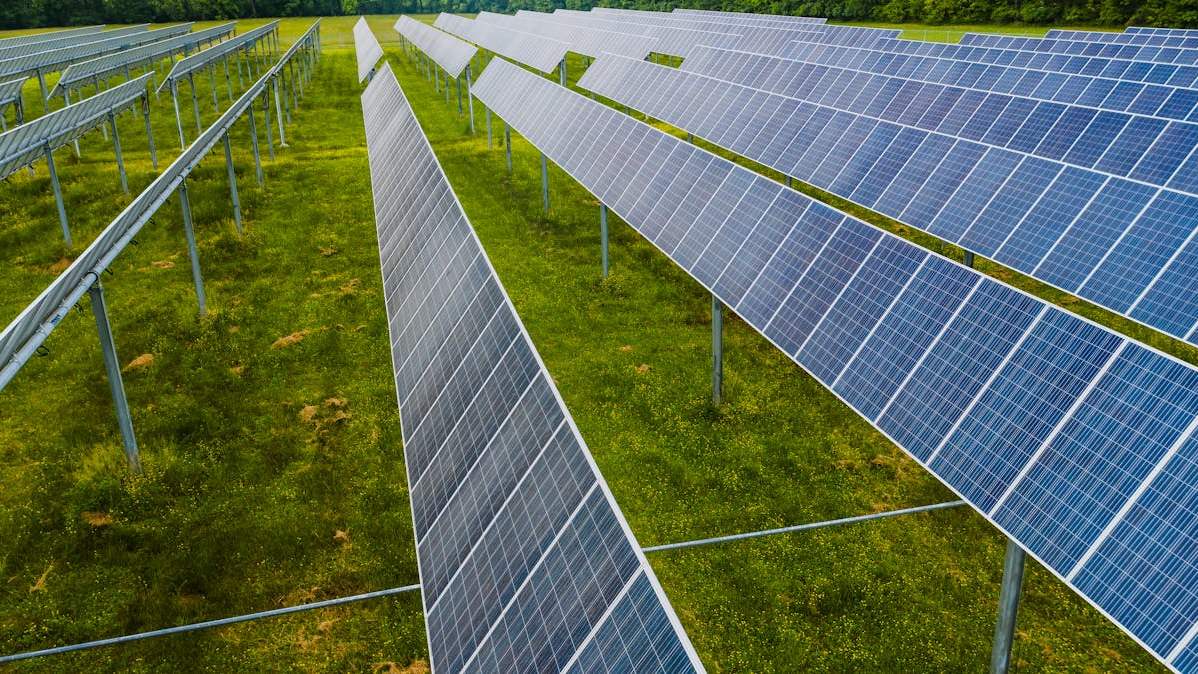
Introduction: Embracing Solar Energy for a Sustainable Future
Transitioning to a home solar power system represents a significant step toward sustainable living. Beyond environmental benefits, solar power offers substantial economic advantages and enhances energy independence. This article delves into how homeowners in the U.S. can maximize these benefits through effective system design, strategic utilization, and future-proofing their investments.
Economic Advantages of a Home Solar Power System
Reducing Energy Costs and Saving Money
One of the primary motivations for installing a home solar power system is lowering monthly utility bills. By generating your own electricity, you lessen dependence on grid power, especially during peak hours when rates are higher. Many homeowners also opt for net metering programs, which allow excess energy to be fed back into the grid, earning credits that offset future consumption.
Tax Incentives and Financial Rebates
The US federal government offers significant incentives such as the Investment Tax Credit (ITC), which currently provides a substantial percentage of the installation costs back to taxpayers. Additionally, various states and localities offer rebates, property tax exemptions, and other incentives to make solar investments more affordable. Carefully navigating these programs can accelerate your return on investment.
Long-Term Value and Property Resale
Homes equipped with solar systems often see increased property values. Buyers are attracted to lower energy costs and eco-friendly features, which can make your home more competitive in the real estate market.
Environmental and Practical Benefits
Reducing Carbon Footprint
Using a home solar power system helps reduce greenhouse gas emissions by decreasing reliance on fossil fuels. Solar energy is clean, renewable, and abundant, contributing significantly to combating climate change.
Enhancing Energy Independence
With solar panels and optional battery storage, homeowners gain greater control over their energy sources, protecting against grid outages and rising energy prices. This independence is especially valuable in remote or hurricane-prone regions.
Supporting Local Economies and Job Creation
The solar industry continues to grow, creating jobs and supporting local economies. By investing in a home solar system, you contribute to this positive economic impact and promote technological innovation in your community.
Implementing Best Practices for Maximized Benefits
Optimal System Design and Placement
Maximize energy generation by ensuring your panels are correctly oriented and tilt to capture maximum sunlight. Professional site assessment can identify shade issues and optimal installation angles, crucial for maximizing system output.
Regular Maintenance and Performance Monitoring
Consistent cleaning and system checks prevent performance drops. Digital monitoring tools enable real-time oversight, alerting you to potential issues before they impact energy production.
Future Scalability and Technological Upgrades
Design your system with future expansion in mind—adding batteries or integrating smart home energy management can enhance savings and resilience. Staying informed about technological advancements ensures your system remains efficient and cost-effective.
The Role of Policy and Community Initiatives
Legislation and community solar programs further amplify the benefits of home solar power. State policies support easier permitting and financial incentives, while community solar allows households with limited roof space to participate in shared solar projects, broadening access to renewable energy.
Expert and Consumer Insights
Industry experts emphasize customized solutions tailored to geographic and household-specific factors. Homeowners who actively participate in maintenance, stay informed about policy changes, and explore innovative storage options tend to see the greatest long-term benefits from their solar investments.
Conclusion: Empowering Your Home with Solar Energy
Adopting a home solar power system is more than an energy choice — it’s an investment in a sustainable, resilient future. By understanding economic, environmental, and practical considerations, and leveraging available incentives, homeowners across America can maximize both the financial and ecological returns of their solar investments, contributing to a greener planet and enjoying energy independence for years to come.