
Maximizing Benefits: How to Ensure Successful Residential Solar Panel Installation
Learn how to ensure your residential solar panel installation is successful with expert tips on planning, system choice, permits, and maintenance. Maximize your investment and enjoy sustainable energy benefits with this comprehensive guide.
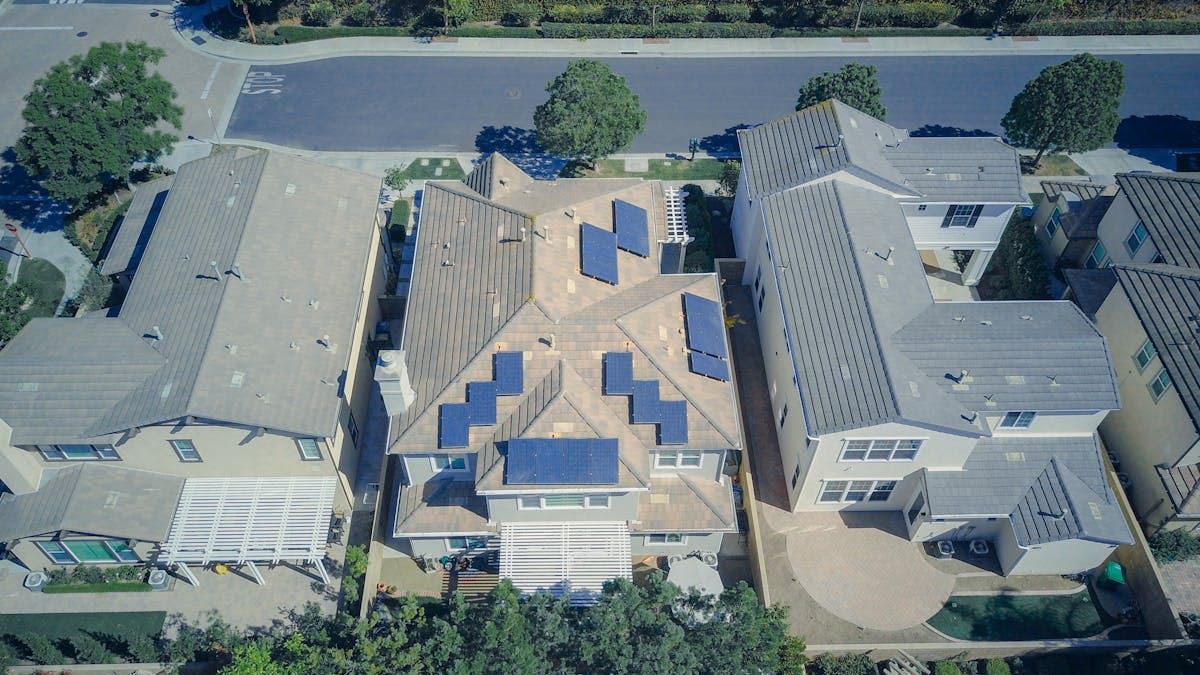
Introduction to Successful Residential Solar Panel Installation
Opting for residential solar panel installation is a strategic decision that impacts a homeowner’s wallet, environment, and future energy independence. However, successful implementation requires careful planning, expert guidance, and understanding various technical and financial aspects. In this article, we delve into how homeowners can maximize benefits through a seamless residential solar panel installation experience.
Planning Your Solar Installation
Effective planning begins with thorough research and consultation. Engaging with certified solar installers who understand local regulations and climate conditions is crucial. They can conduct detailed site assessments, including roof inspections and shading analysis, to determine system size and optimal panel placement.
Choosing the Right Solar System
Not all solar panels are created equal. Homeowners should consider factors like efficiency, durability, warranty coverage, and aesthetics when selecting panels. Monocrystalline panels offer higher efficiency, while polycrystalline panels are often more budget-friendly. Balancing cost and performance ensures long-term satisfaction.
Ensuring Quality Installation and Compliance
High-quality residential solar panel installation hinges on experienced technicians adhering to safety standards and local codes. Proper mounting, wiring, and interconnection are critical for safety and system performance. Always verify that your installer holds relevant certifications and licenses.
Navigating Permits and Incentives
Administrative hurdles can delay your project. Coordinating with local authorities and utility companies ensures smooth permit approval and grid interconnection. Additionally, understanding federal, state, and local incentives can substantially lower upfront costs and improve return on investment.
Financial Optimization and Return on Investment
Beyond installation costs, homeowners should analyze the payback period, energy savings, and increased property value. Investing in higher efficiency panels or bifacial technology can increase energy yield. Monitoring tools allow homeowners to track system performance and optimize energy use.
Post-Installation Maintenance and Monitoring
Maintaining system performance involves routine cleaning, inspections, and performance monitoring. Modern systems often include remote monitoring, allowing early detection of issues and ensuring consistent energy production.
Real-World Scenarios and Case Studies
Many U.S. homeowners have successfully transitioned to solar energy, showcasing diverse property types and climates. For example, a family in California installed a 6 kW system that fully offset their electricity bill within 3 years, while a retired couple in Florida leveraged federal incentives to fund their system's upgrade. These stories exemplify how tailored planning and expert installation deliver tangible benefits.
Expert Insights and Future Trends
Leading industry experts emphasize the importance of emerging technologies, such as bifacial panels and energy storage solutions, to maximize residential solar benefits. As the market matures, consumers will see more innovative options that enhance efficiency, aesthetics, and usability.