
Choosing the Right Home Solar System: Essential Factors for U.S. Homeowners
Learn how to select the perfect home solar system tailored to your U.S. residence. This detailed guide covers site assessment, technology options, financing, and future trends, empowering homeowners to make informed decisions for clean energy adoption and long-term savings.
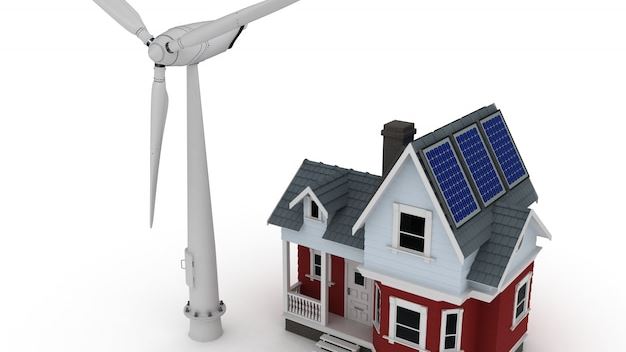
Introduction: Why a Tailored Home Solar System Matters
Each household has unique energy needs and geographical circumstances. For American homeowners considering a home solar system, understanding how to select the right technology and system configuration is essential. This guide provides insights into factors influencing solar system choice, installation considerations, and maximizing long-term benefits.
Assessing Your Energy Needs and Consumption Patterns
Begin with a detailed analysis of your household's average energy consumption. Review utility bills over 12 months to identify peak usage periods and seasonal variations. This data assists in sizing your solar system appropriately, ensuring you generate enough electricity to offset your bills without over-investing.
Evaluating Site and Structural Factors
The effectiveness of a home solar system depends heavily on site-specific features such as roof orientation, tilt, shading, and available space. South-facing roofs with minimal shading offer optimal sunlight exposure. Roof condition and structural integrity also influence system mounting options and longevity.
Choosing the Right Solar Technology
American homeowners have several options, including traditional photovoltaic panels, bifacial modules, and solar shingles. Each technology offers benefits and considerations:
- Photovoltaic panels: Most common, cost-efficient, and reliable.
- Bifacial panels: Capture sunlight from both sides, increasing efficiency.
- Solar shingles: Aesthetic alternative integrated into roofing materials.
Understanding System Components and Configurations
Modern home solar system installations include smart inverters, monitoring systems, and optional battery storage. Deciding between grid-tied, off-grid, or hybrid systems affects design and cost considerations. Experts recommend working with licensed installers to customize your system for maximum efficiency and compliance.
Financial Considerations and Return on Investment
Cost depends on system size, technology, and installation complexity. Federal incentives like the ITC can significantly reduce upfront expenses. Long-term savings on electricity bills, increased property value, and potential tax benefits contribute to a favorable return on investment. Careful financial planning ensures your system aligns with your budget and energy goals.
Installation Tips and Maintenance Tips
Proper installation by certified professionals guarantees safety and optimal performance. Regular maintenance, including panel cleaning and system inspections, maximizes efficiency and prolongs lifespan. Monitoring systems provide real-time performance data, allowing troubleshooting and adjustments as needed.
Emerging Trends and Smart Home Integration
Integrating solar systems with smart home technology enables remote management and energy optimization. Innovations in battery storage, such as Tesla Powerwall, provide greater energy independence and resilience against grid outages. Staying informed about technological trends lets homeowners future-proof their investments.
Conclusion: Making an Informed Investment in Your Home's Future
Selecting the right home solar system requires careful assessment of various factors—from site conditions to technology choices and financial considerations. Collaborate with experienced installers and explore available incentives to maximize your system's benefits. Investing in solar today not only reduces energy costs but also promotes a sustainable future for your household and community.