
Choosing the Perfect Walk Shower: A Complete Buyer’s Guide for Modern Bathrooms
Discover the essentials of selecting the perfect walk shower. This buyer’s guide covers styles, materials, installation tips, and latest trends to help you create a luxurious, accessible bathroom space tailored to your needs.
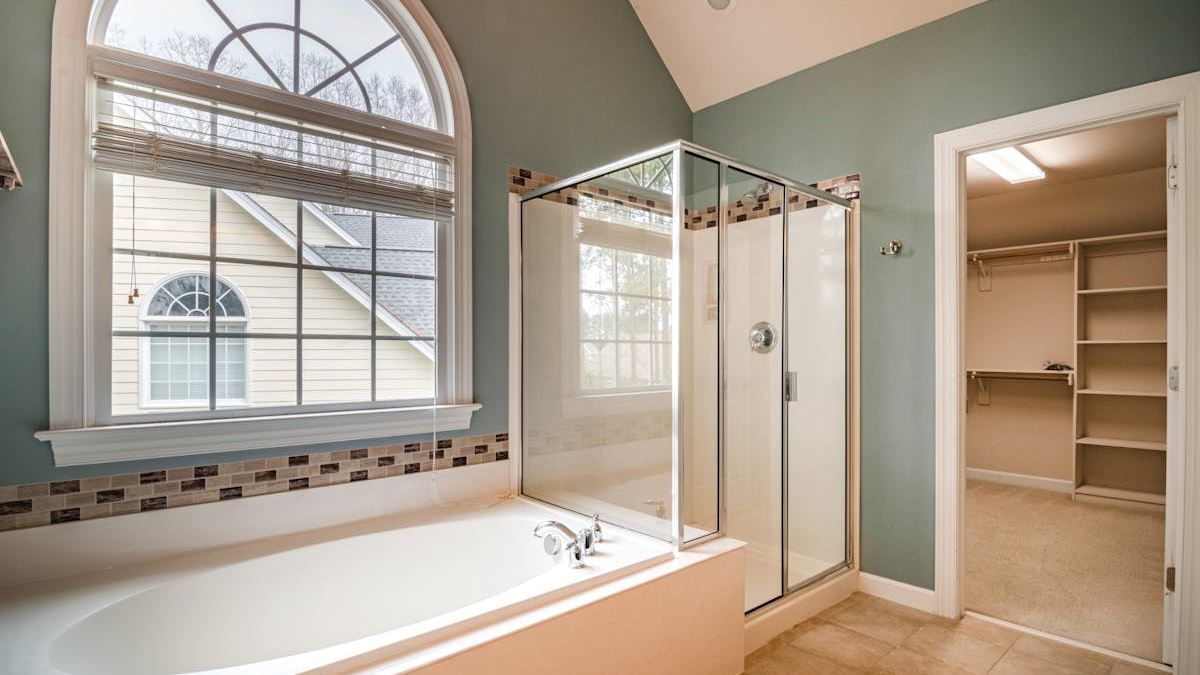
Introduction: Elevate Your Bathroom with a Walk Shower
When it comes to bathroom upgrades, few features can instantly add luxury and functionality like a well-designed walk shower. As more homeowners prioritize open, accessible, and stylish bathing spaces, walk showers have become a popular choice. This comprehensive buyer’s guide helps you understand the key factors to consider, from design styles and materials to installation and budget, ensuring that you make an informed decision tailored to your needs and preferences.
Understanding the Different Types of Walk Showers
Frameless Walk Showers
These showers feature seamless glass panels with minimal or no framing, creating a sleek, modern look. They maximize visual space and are easy to clean, making them an ideal choice for contemporary bathrooms aiming for a minimalist aesthetic.
Framed and Semi-Framed Walk Showers
Traditional framed walk showers offer durability and affordability. Semi-framed options strike a balance, providing structural support while still maintaining a clean appearance. Choosing the right type depends on your style preference and budget.
Design Elements to Consider
Glass Quality and Safety
Opt for tempered glass with safety coatings to prevent shattering. Clear glass enhances openness, while frosted or textured options add privacy, especially in shared bathrooms.
Floor and Drainage Solutions
Walk showers typically feature a linear drain or a point drain for efficient water removal. Material choices like porcelain tiles or engineered epoxy floors offer slip resistance and longevity.
Lighting and Ventilation
Incorporate waterproof LED lighting or natural light sources to create an inviting atmosphere. Proper ventilation is key to preventing mold and maintaining air quality.
DIY vs Professional Installation
The Importance of Expert Installation
Proper installation ensures waterproofing, structural stability, and safety. While DIY might seem tempting, professional installers have the skills to avoid costly mistakes and ensure compliance with building codes.
Cost Implications
DIY installation can save money upfront but may lead to issues that require professional repair later. Weigh costs versus benefits before deciding to undertake a DIY walk shower project.
Budget Planning and Cost Optimization
Estimating Costs
Basic models cost around $2,000 to $5,000, including materials and installation. Upgrades like customized glass, luxury fixtures, or special tiles will increase the budget. Planning meticulously ensures you achieve your desired outcome efficiently.
Innovative Features and Popular Trends
Smart Shower Technology
Touchless controls, temperature memory settings, and integrated speakers are transforming walk showers into high-tech wellness zones. Investing in smart features enhances user experience and convenience.
Sustainable Design Focus
Eco-friendly materials, water-saving fixtures, and energy-efficient lighting are trending in walk shower designs, aligning style with sustainability.
Case Studies and Expert Perspectives
Real-world examples showcase transformative bathroom renovations featuring walk showers. Experts advise homeowners to prioritize safety features, like anti-slip surfaces and grab bars, especially in households with seniors or children.