
Maximizing Efficiency: A Deep Dive into Photovoltaic Panels for U.S. Consumers
Explore advanced strategies and real-world examples of photovoltaic panel efficiency in the USA. Learn how to optimize solar systems for homes and businesses, and discover the latest innovations shaping the future of solar energy.
Introduction
Photovoltaic panels have revolutionized the way the United States approaches renewable energy. Their capacity to generate clean electricity from sunlight has made them a popular choice among homeowners, entrepreneurs, and government agencies. As the industry matures, understanding how to optimize photovoltaic panels for maximum efficiency and cost-effectiveness becomes crucial. This article delves into advanced concepts, real-world case studies, and expert insights to empower consumers with knowledge about photovoltaic panel technology and its practical applications.
Photovoltaic Panel Technology and Efficiency Drivers
Material Advances and Cell Architecture
Recent innovations such as perovskite solar cells and bifacial panels have pushed the boundaries of efficiency. Perovskite materials are inexpensive, versatile, and demonstrate higher energy conversion rates in laboratory conditions. Bifacial panels capture sunlight from both sides, increasing total energy output, especially in reflective environments like snow or light-colored rooftops.
Installation Orientation and Tilt
Optimal orientation maximizes sunlight exposure. In the United States, south-facing roofs at a tilt angle close to the latitude of the location tend to produce the highest energy yield. Adjusting panel tilt seasonally can further enhance efficiency, though fixed systems are often preferred for simplicity and long-term savings.
Real-World Scenarios of Photovoltaic Panel Deployment
Residential Solar Installations
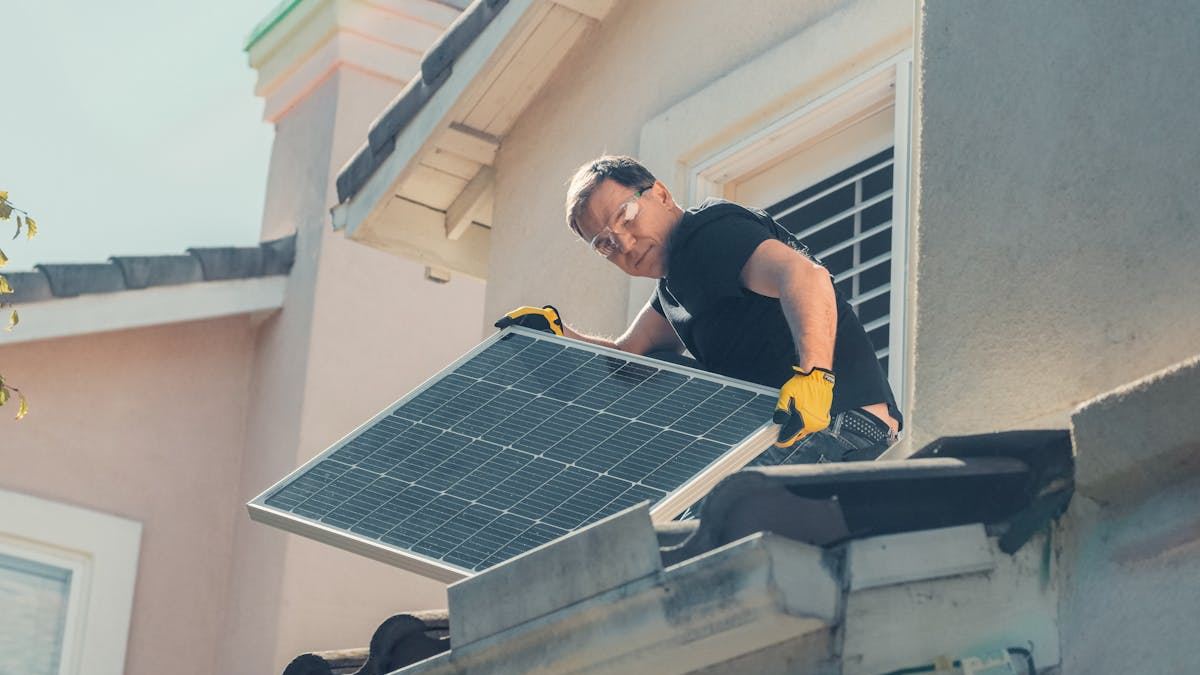
Many U.S. homeowners are installing photovoltaic panels to reduce utility bills and increase home value. For example, a family in California installed a 6kW system on their roof, resulting in a 50% reduction in annual electricity costs, with government incentives covering nearly 30% of the initial investment.
Commercial and Industrial Use
Large-scale photovoltaic systems in industrial parks in Texas and Florida serve critical operational needs. These systems often incorporate extensive battery storage, facilitating energy self-sufficiency and resilience against grid outages, especially during extreme weather events.
Challenges and Considerations in Photovoltaic System Deployment
Grid Integration and Policy Barriers
Grid connection policies, net metering regulations, and utility tariffs vary across states. Navigating these policies requires expert advice to optimize economic returns and ensure compliance. Advocacy for favorable policies is also integral to expanding PV adoption.
Environmental and Site Constraints
Shading, roof shading, structural capacity, and local climate all influence system design. Advanced site assessment tools and modeling software help mitigate these challenges and tailor systems to individual needs.
Emerging Technologies and Future Outlook
Hybrid Systems and Storage
Combining photovoltaic panels with high-capacity energy storage solutions allows continuous power supply even when sunlight is unavailable, addressing the intermittency challenge of solar energy.
Smart Monitoring and Maintenance
IoT-enabled monitoring systems provide real-time performance data, enabling predictive maintenance and ensuring optimal operation over the lifespan of the panels.
Conclusion: Strategically Investing in Photovoltaic Panels
The future of photovoltaic panels in the United States hinges on technological advancements, supportive policies, and innovative deployment strategies. For consumers willing to invest in quality systems and stay informed about emerging trends, photovoltaic panels offer an unparalleled opportunity to harness the sun's power efficiently and sustainably. Long-term savings, environmental stewardship, and energy independence make photovoltaic panels a smart choice for the forward-thinking American.