
Harnessing Renewable Electricity: America's Path Towards a Sustainable Energy Future
Discover how renewable electricity is transforming America's energy landscape. This comprehensive article covers solar, wind, hydropower, benefits, challenges, and policies driving the transition towards a sustainable energy future in the United States.
Introduction: The Drive Towards Renewable Electricity
As concerns over climate change intensify, the United States is increasingly shifting towards renewable sources of electricity. This transition promises economic benefits, energy independence, and significant reductions in greenhouse gas emissions. Understanding how renewable electricity is harnessed, integrated, and scaled is essential for appreciating America's sustainable energy future.
Types of Renewable Electricity Sources in the U.S.
Solar Power
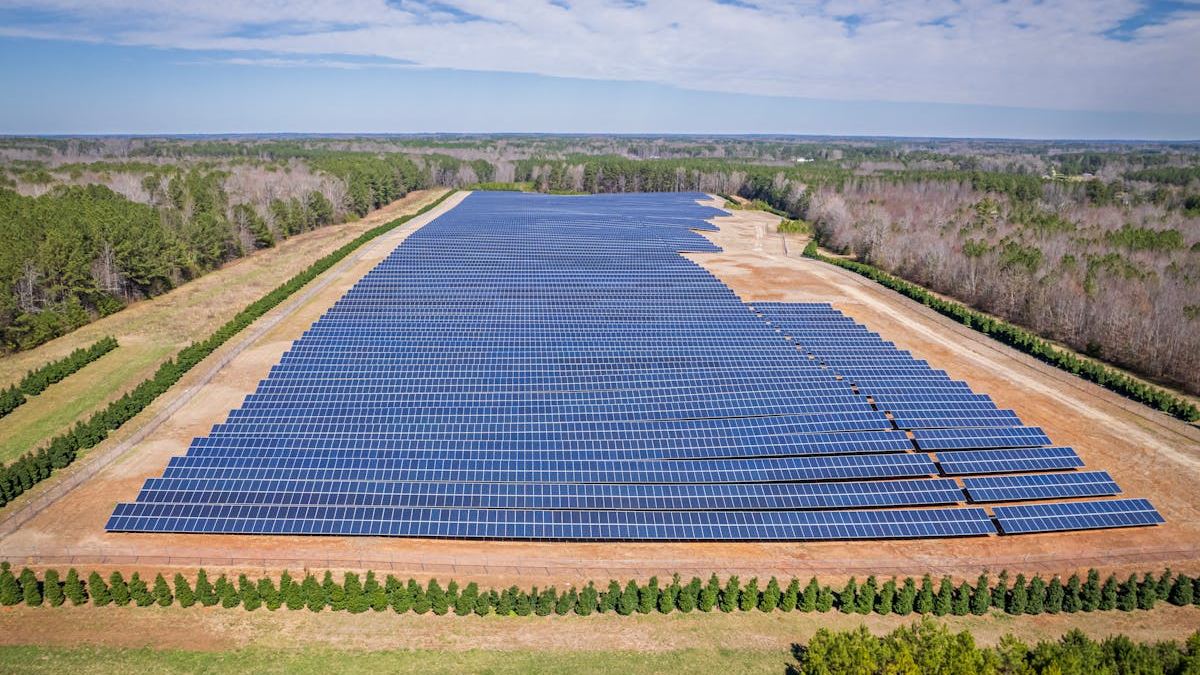
Solar photovoltaic (PV) panels have become more affordable and efficient, enabling widespread adoption at residential, commercial, and utility scales. Large solar farms are now delivering significant portions of renewable electricity across states like California, Texas, and Arizona.
Wind Power
The U.S. boasts vast wind resources, especially in the Midwest and offshore areas along the Atlantic and Gulf coasts. Wind turbines convert kinetic energy into electricity, contributing substantially to regional grids and reducing reliance on fossil fuels.
Hydropower and Other Sources
Traditional hydropower remains a cornerstone of renewable electricity, though growth is limited by environmental and geographic factors. Emerging sources like geothermal and tidal energy offer additional potential for diversifying the renewable mix.
The Benefits of Renewable Electricity
Environmental Advantages
Renewables produce little to no emissions during operation, significantly decreasing the carbon footprint of electricity generation. They help combat climate change and improve air quality.
Economic Growth and Job Creation
The renewable sector has become a key driver of economic activity, creating thousands of jobs in manufacturing, installation, maintenance, and research. Investment in renewables stimulates local economies and fosters innovation.
Challenges in Scaling Renewable Electricity
Intermittency and Storage Solutions
Solar and wind are intermittent sources, dependent on weather and time of day. Addressing this variability requires advancements in energy storage, such as batteries and other grid-integrated solutions.
Grid Integration and Modernization
Integrating large-scale renewables into existing grids demands significant upgrades, smart management systems, and policies to ensure reliability and efficiency.
The Policy and Regulatory Environment
Federal and State Initiatives
Programs like the Inflation Reduction Act incentivize renewable projects through tax credits, grants, and loan guarantees. States set renewable portfolio standards (RPS) to mandate a certain percentage of clean energy.
Community Engagement and Equity
Equitable access and community-led renewable projects are vital for broader adoption and social acceptance. Policymakers focus on ensuring benefits reach underserved communities.