
Beyond Solar: Exploring Wind and Hydro Power as Leading Renewable Energy Products in the United States
Discover the critical roles of wind and hydro power as leading renewable energy products in the United States. This comprehensive overview explores technological innovations, real-world applications, and future prospects, highlighting their importance in building a sustainable, low-carbon energy landscape.
Introduction
While solar energy remains at the forefront of renewable energy products in the United States, wind and hydro power are equally vital components of a diversified clean energy portfolio. These power sources offer reliable, large-scale solutions that are crucial for meeting the nation's ambitious climate goals. This article delves into the current state, technological advancements, and real-world applications of wind and hydro power, highlighting their significance in the transition toward sustainable energy.
Wind Power: From Land to Offshore
Land-Based Wind Energy Products
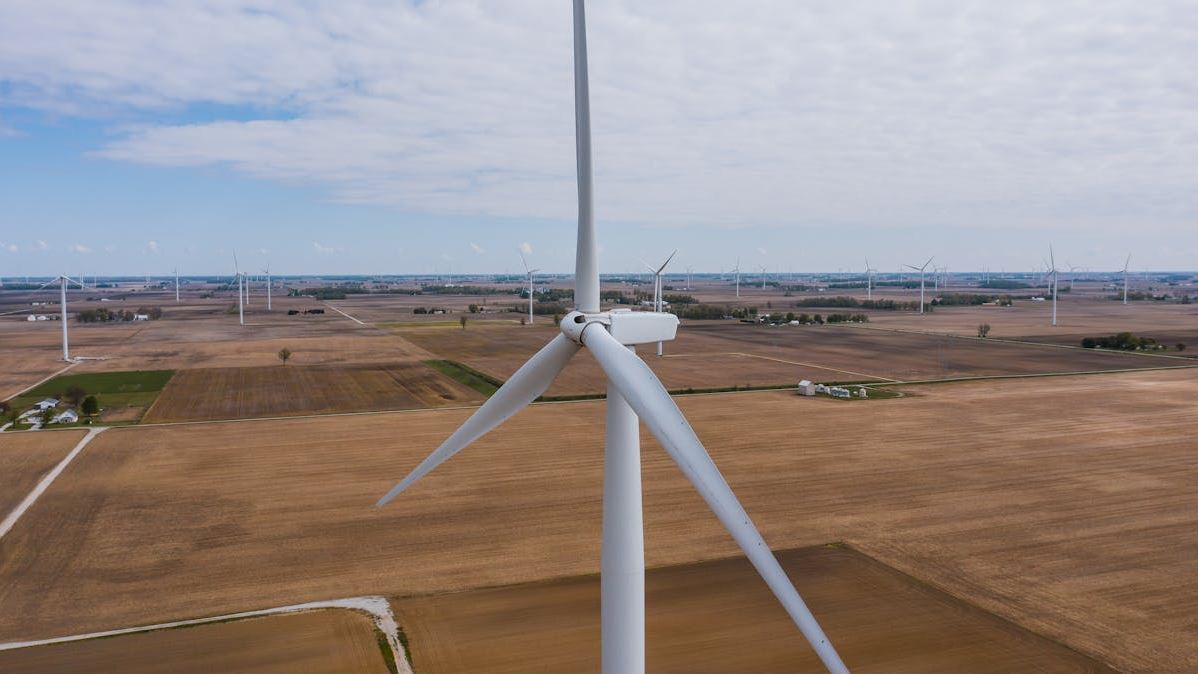
Onshore wind turbines are among the most established renewable energy products. Improvements in turbine design, such as longer blades and advanced gearboxes, have increased efficiency and capacity. These units are often deployed in rural and prairie regions, where vast open spaces facilitate large-scale wind farms that supply electricity to millions.
Offshore Wind Technology and Projects
Offshore wind power is rapidly expanding, especially along U.S. East Coast waters. Technological advancements in floating turbines and foundation engineering have made offshore wind turbines more practical and cost-effective. Projects like the Coastal Virginia Offshore Wind demonstrate the potential of offshore wind as a substantial renewable energy product, offering clean power to densely populated areas and reducing greenhouse emissions.
Challenges and Opportunities
Despite its promise, offshore wind faces logistical challenges, including higher installation costs and environmental considerations. Industry experts emphasize ongoing research and policy support as keys to overcoming these hurdles and unlocking offshore wind's full potential in the United States.
Hydropower: The Power of Water
Traditional and Modern Hydropower Technologies
Hydropower has been a renewable energy staple for decades, primarily through large dams and reservoirs. Innovations now include run-of-river systems and small-scale hydroelectric units, which have less environmental impact and are suitable for localized power needs. These technologies convert kinetic water energy into electricity, providing reliable baseload power.
Environmental Considerations and Sustainable Development
Modern hydropower development emphasizes environmental sustainability, incorporating fish passages and ecosystem protections. Experts advocate for adaptive management techniques to ensure hydropower remains a clean, sustainable renewable energy product that balances ecological health with energy needs.
Real-World Examples
US hydropower plants such as the Columbia River system exemplify the scale and effectiveness of water-based renewable energy products. Additionally, new small hydro projects are emerging in regional communities, bolstering local supply and supporting grid resilience.
Integration and Future Outlook
Both wind and hydro power are integral to the U.S. renewable energy products landscape, offering complementary strengths. Smarter grid integration, energy storage, and technological innovation will be crucial in maximizing their deployment. With supportive policies and continued investment, wind and hydro power can significantly contribute to a decarbonized and resilient energy future in the United States.
Conclusion
As the focus on renewable energy products broadens beyond solar, wind and hydro power emerge as scalable, reliable, and essential alternatives. Their development and integration are pivotal in creating a cleaner energy grid, lowering carbon emissions, and supporting economic growth in the United States. The future of renewable energy in the country hinges on harnessing these powerful water and wind resources with innovative, sustainable solutions.