
Innovations in Renewable Energy Technologies: Transforming America's Power Grid
This article explores the latest innovations in renewable energy technologies shaping America's power grid. Discover breakthroughs in solar, wind, green hydrogen, and energy storage, alongside the strategic challenges and policy support driving growth. Gain insights into how these emerging technologies are transforming energy infrastructure, creating economic opportunities, and moving the US toward a sustainable future.
The Evolution and Impact of Renewable Energy Technologies in the US
The United States has experienced a significant transformation in its energy sector over the past decade, driven largely by advancements in renewable energy technologies. As states aim to meet ambitious climate goals and reduce greenhouse gas emissions, technological innovation and policy support have accelerated the deployment of clean energy solutions. This article delves into how renewable energy technologies are reshaping power generation, infrastructure, and the economy, highlighting key trends, challenges, and opportunities.
Breakthroughs in Solar Energy Technologies
High-Efficiency Photovoltaic Systems
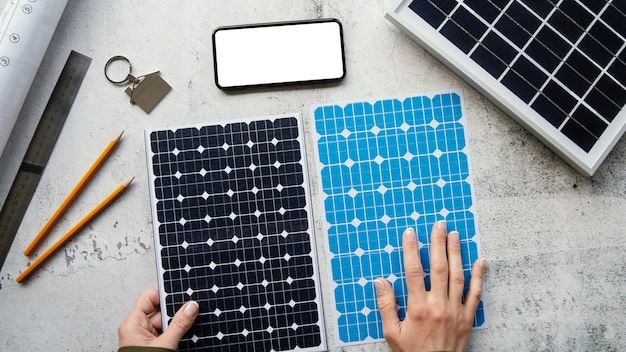
The quest for higher efficiency has led to the development of next-generation solar panels. Technologies like multi-junction cells, perovskite-based panels, and bifacial modules now achieve efficiencies exceeding 25%. These advancements reduce the space needed for solar farms and increase power output, making solar more cost-effective and scalable.
Case Study: The Crescent Dunes Solar Energy Project in Nevada, utilizing molten salt energy storage, demonstrates how high-efficiency solar combined with thermal storage can deliver reliable power even after sunset.
Building-Integrated and Community Solar
Innovations such as building-integrated photovoltaics (BIPV) and community solar programs expand access to solar energy. BIPV systems are integrated into building materials, creating dual-function structures. Community solar allows multiple households or businesses to benefit from a single solar array, lowering entry barriers and promoting equitable access.
Wind Energy Innovations and Offshore Expansion
Next-Generation Turbines
New turbine designs focus on increasing capacity and reducing costs. Larger blades, taller towers, and floating platform technology enable offshore wind farms in deeper waters, expanding potential sites beyond shallow coastal areas. The US offshore wind pipeline is projected to reach over 30 GW by 2030, fueling economic growth.
Expert Insight: Jon Morrison, offshore wind project developer, emphasizes that floating turbines are key to unlocking vast, previously inaccessible wind resources along the US coastlines.
Grid Integration and Smart Technologies
Integrating variable wind resources into the grid requires sophisticated control systems and smart grid technologies. Advanced forecasting, real-time monitoring, and demand response strategies ensure stability and reliability, enabling a higher penetration of wind energy in the US power mix.
Emerging Renewable Technologies and Industry Outlook
Green Hydrogen as an Energy Vector
Green hydrogen produced via electrolysis powered by renewable energy is transforming the energy landscape. It offers a zero-emissions fuel for transportation, industrial processes, and energy storage, forming a crucial pillar of the US clean energy ecosystem.
Enhanced Energy Storage Technologies
Storage solutions are vital for managing intermittency. Innovations in solid-state batteries, compressed air energy storage, and thermal storage are expected to significantly enhance grid resilience and facilitate higher renewable energy integration.
Policy Frameworks and Strategic Challenges
Federal and state policies such as tax credits, renewable portfolio standards, and new infrastructure bills foster growth in renewable energy technologies. However, technical, environmental, and logistical challenges must be addressed through collaborative efforts, research investments, and community engagement.
Conclusion: Embracing a Sustainable Energy Future
The rapid evolution of renewable energy technologies signifies a paradigm shift in how the United States produces and consumes energy. The integration of innovative solar, wind, hydrogen, and storage solutions will play a pivotal role in achieving national climate goals and creating a resilient, sustainable power grid for future generations. As technology continues to advance, America's commitment to renewable energy remains a beacon of hope toward a cleaner and more sustainable planet.