
Optimizing Your Home with Solar Panel Installation: Strategies for Maximum Efficiency and Savings
Learn how to optimize your home’s solar panel installation for maximum efficiency and savings. This comprehensive guide covers site assessment, system design, cost incentives, and maintenance tips to help homeowners harness solar energy effectively.
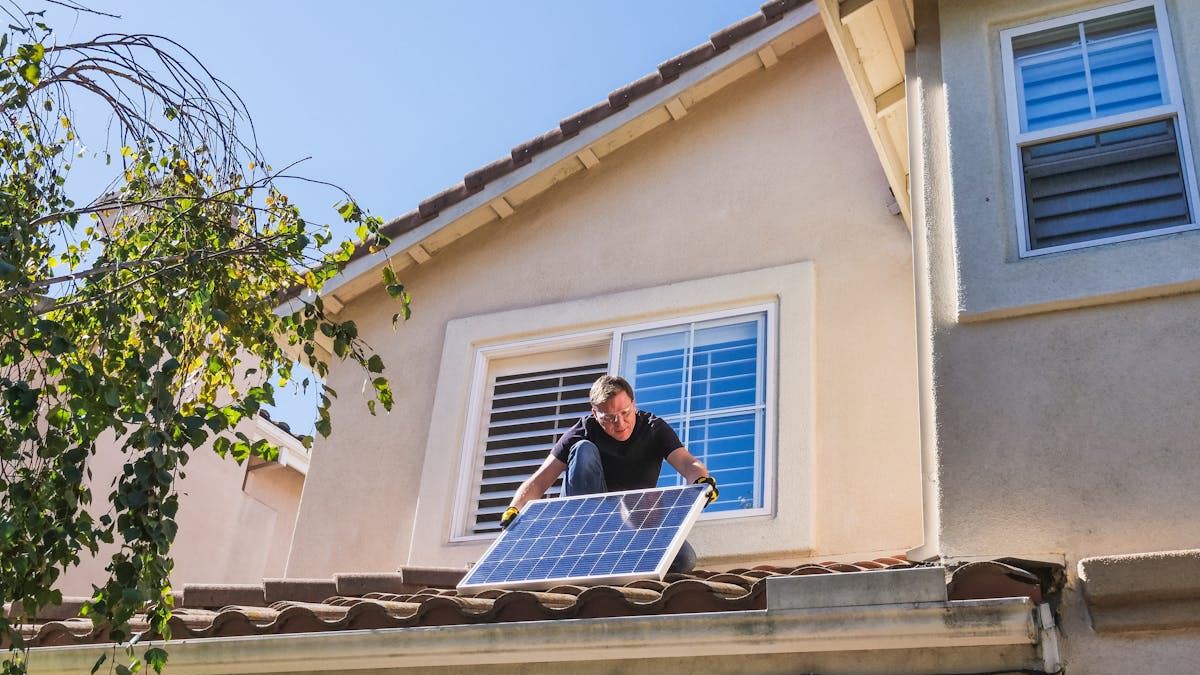
Introduction: Embracing Solar Power at Home
As energy costs continue to rise and environmental concerns intensify, solar panel installation offers homeowners a powerful way to reduce utility bills and lower carbon footprints. However, maximizing the benefits of your solar investment requires strategic planning and understanding of system components, placement, and cost considerations. This article delves into practical strategies for optimizing residential solar panel installation to achieve maximum efficiency and long-term savings.
Assessing Your Home’s Solar Potential
Evaluating Roof Orientation and Inclination
The orientation and tilt of your roof significantly influence solar energy absorption. South-facing roofs in the northern hemisphere typically garner the most sunlight, but east or west-facing roofs can also be viable with proper system design.
Analyzing Shading and Obstructions
Tree canopies, chimneys, and nearby structures can cast shadows that reduce panel efficiency. Conduct a shading analysis at different times of day and year to determine the best placement for your panels.
Estimating Energy Production and Savings
Tools like solar calculators and consultation with professionals can help estimate system output, potential savings, and return on investment based on your location and energy usage patterns.
Designing Your Solar Panel System for Optimal Performance
Selecting High-Efficiency Solar Panels
Modern panels with higher wattage ratings and efficiency ratings increase energy output without requiring additional space, making them ideal for limited roof areas.
Incorporating Battery Storage
Adding batteries allows you to store excess solar power for nighttime use or during grid outages, enhancing energy independence and resilience.
Choosing the Right Inverters
Microinverters or string inverters should be selected based on shading conditions and system complexity to ensure maximum energy conversion efficiency.
Installation Techniques and Best Practices
Ensuring Proper Mounting and Angle
Correct mounting techniques prevent structural damage and optimize sunlight capture. Use adjustable mounts to fine-tune panel angles over time for seasonal variations.
Electrical Wiring and Safety Standards
Following NEC codes and best electrical practices ensures safety, durability, and compliance with local regulations.
Quality Control and Inspection
Post-installation inspections verify system integrity, proper connections, and adherence to design specifications, preventing future operational issues.
Cost Considerations and Incentives
Understanding Pricing and Budgeting
System costs vary based on panel quality, size, and installation complexity. Budget planning should include permit fees, maintenance, and potential future upgrades.
Maximizing Financial Incentives
Federal tax credits, state rebates, and local incentives can significantly reduce upfront costs. Stay informed about current programs to optimize your financial benefits.
Sustainable Growth: Long-Term Maintenance and Monitoring
Regular Cleaning and Inspection
Keeping panels clean and inspecting for damage maintain system efficiency. Use professional services for thorough assessments.
Monitoring System Performance
Smart monitoring systems provide real-time data, helping homeowners identify performance issues early and ensure maximum energy harvest.
Adapting to Technological Advances
Stay updated on advancements like improved panel efficiencies and smart grid integration to future-proof your solar investment.
Envisioning the Future of Residential Solar Power in the US
The evolution of residential solar systems is oriented toward greater integration, aesthetics, and efficiency. Innovations such as building-integrated photovoltaics and community solar projects are making solar power more accessible and attractive, empowering homeowners to be active participants in clean energy initiatives.