
Maximizing Your Investment: Strategic Tips for Installing a Home Solar Panel System in the United States
Discover practical strategies for installing a home solar panel system in the U.S. This article covers site assessment, cost optimization, designing efficient systems, navigating regulations, and ensuring longevity. Ideal for homeowners considering solar energy, it offers expert insights, real-world examples, and future trends to help you maximize your solar investment and benefit from renewable energy.
Introduction: Transforming Your Home with Solar Power
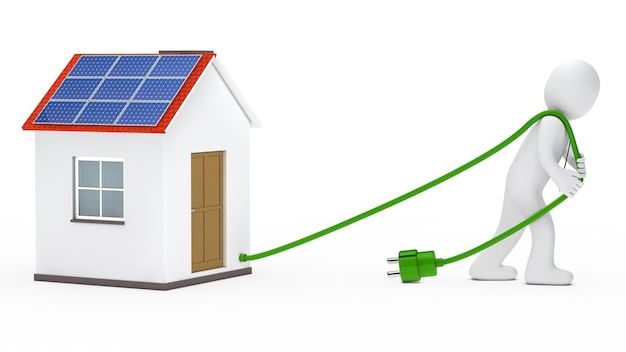
In recent years, the home solar panel system has become more than just an environmental choice – it’s a strategic financial investment. Homeowners across the United States are increasingly turning to solar energy to decrease utility bills, increase property value, and reduce their carbon footprint. This article provides detailed insights into planning, designing, and deploying a home solar panel system optimized for American homes, emphasizing cost-efficiency, long-term reliability, and strategic advantages.
Assessing Your Home’s Solar Potential
Site Evaluation and Solar Exposure
Before proceeding, evaluate your property’s solar exposure. Factors include roof orientation, tilt, shading from nearby trees or structures, and the available space. South-facing roofs in the Northern Hemisphere offer maximum sunlight exposure, thus optimizing the efficacy of your home solar panel system. Using solar site assessment tools helps quantify the potential energy production and identify optimal panel placement.
Estimating Your Energy Needs and System Size
Analyze your recent utility bills to determine your average monthly consumption. Using this data, size your home solar panel system accordingly—preferably oversizing slightly to account for system degradation over time and future energy needs. A typical U.S. household’s system ranges between 6 kW to 12 kW for comprehensive coverage.
Design Strategies for Cost-Effective Solar Installations
Choosing the Best Technology and Equipment
Select high-efficiency panels with warranties that last 25 years or more. Bifacial panels, which capture sunlight from both sides, can increase overall energy yield, especially in sunny regions. Pair these with smart inverters that optimize energy conversion and include monitoring capabilities.
Optimizing Placement and System Configuration
Maximize sunlight capture by orienting panels southward with an optimal tilt angle. Consider shading analysis during different seasons. For homes with limited roof space, rooftop ground-mounted systems or tracking mounts can enhance energy production.
Financial Planning and Incentives
Cost Breakdown and Return on Investment
Initial costs encompass panels, inverters, mounting hardware, permits, and installation labor. Leveraging federal tax credits, state incentives, and utility rebates can significantly reduce upfront expenses. Typically, a well-installed home solar panel system begins paying for itself through savings within 5-7 years.
Financing Options and Leasing
Options include cash purchases, loans, leases, and power purchase agreements (PPAs). Each has advantages depending on your financial situation and long-term plans. Consulting with solar finance specialists helps identify the most beneficial approach.
Installation Best Practices and Regulatory Compliance
Working with Certified Installers
Ensure your installer holds relevant certifications such as NABCEP. Proper installation not only maximizes efficiency but also ensures safety and adherence to local codes. Request references and verify previous work to guarantee quality.
Legal and Interconnection Requirements
Navigate local permitting processes and utility interconnection procedures in advance. Installations typically require approval to connect to the grid and setup of net metering to receive credits for excess energy supplied back to the grid.
Ensuring Longevity and Performance
Maintenance Routines for Year-Round Performance
Keep panels clean by removing dirt, leaves, and snow. Schedule annual inspections of racking and electrical components. Regular performance monitoring helps detect issues early and prolong system lifespan.
Adopting Smart Monitoring Technologies
Modern home solar panel system setups include online monitoring platforms that provide real-time data about power generation, system alerts, and energy consumption. These tools allow proactive maintenance and maximize system efficiency.
Case Studies and Future Outlook
From coastal California to rural Midwestern farms, success stories highlight the benefits of strategic solar deployment. Emerging technologies like integrated storage and community solar projects promise to make solar energy even more accessible and reliable. Staying informed about innovations helps homeowners adapt and future-proof their investments.
Conclusion: Embrace the Solar Revolution Today
Implementing a home solar panel system is a strategic choice that offers financial, environmental, and energy independence benefits. With thorough planning, expert advice, and consideration of future developments, homeowners can make the most of solar energy in the United States—saving money, increasing property value, and contributing to a sustainable future.